Adult ADHD in Delhi: Complete Understanding, Diagnosis & Evidence-Based Treatment
Adult ADHD affects professionals, entrepreneurs, executives, and students. Discover how attention-deficit/hyperactivity disorder presents in adults, why it impacts workplace performance and relationships, and how evidence-based treatment enables you to access your full potential.
What Is Adult ADHD
Adult ADHD (Attention-Deficit/Hyperactivity Disorder) is a neurodevelopmental condition affecting approximately 2.5-4% of adults. It reflects persistent differences in how the brain regulates attention, impulse control, executive function, and emotional processing—particularly involving dopamine and norepinephrine dysregulation in the prefrontal cortex.
Core Definition
ADHD is fundamentally a disorder of executive function and impulse control, not laziness or lack of effort. It involves difficulties with task initiation and completion, sustained attention, impulse inhibition, working memory, time perception, and emotional regulation—creating functional impairment across professional, social, and personal domains despite normal or superior intelligence.
How Adult ADHD Differs from Childhood ADHD
While childhood ADHD presents with obvious hyperactivity (fidgeting, inability to sit still, running around), adult ADHD often appears different. Hyperactivity may manifest as internal restlessness, racing thoughts, or constant mental activity rather than visible physical movement. Many adults develop sophisticated coping strategies—lists, alarms, structured routines—masking underlying ADHD until demands exceed their compensatory capacity, resulting in sudden "failure" despite previous success.
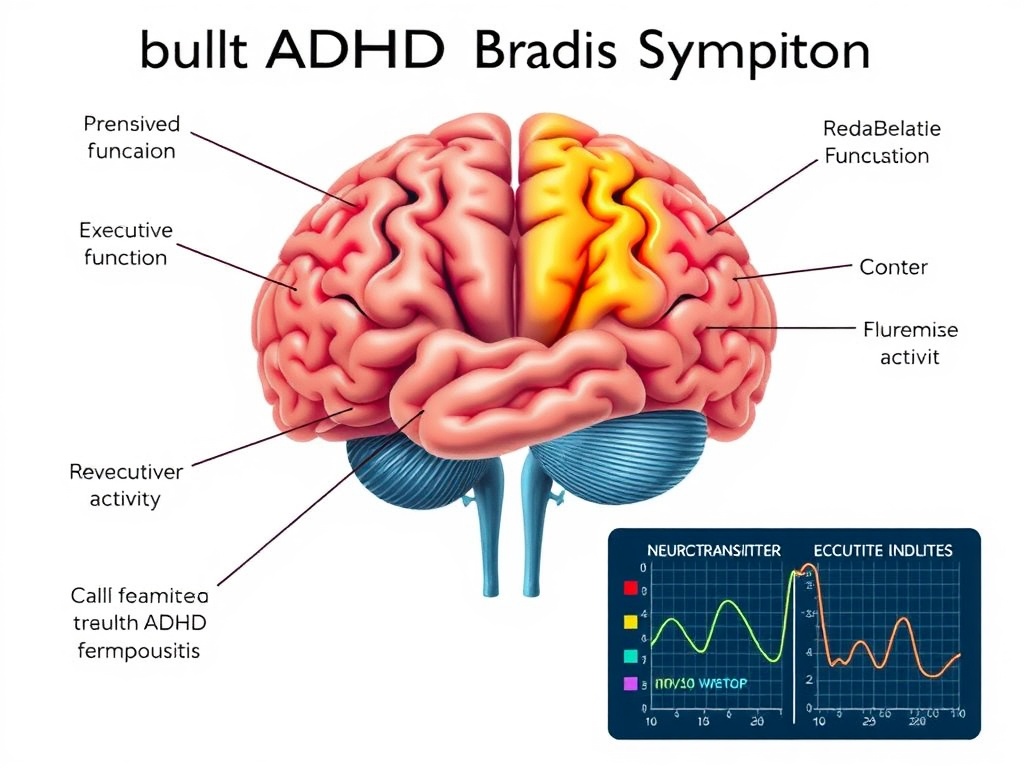
ADHD Brain Neurobiology
ADHD involves measurable differences in brain structure and function:
- Prefrontal cortex dysfunction: Reduced executive function, impulse control, and working memory capacity
- Dopamine dysregulation: Lower baseline dopamine in attention circuits, creating reward-deficiency syndrome
- Reward sensitivity differences: Decreased natural motivation for routine tasks; heightened response to novelty and crisis
- Emotional dysregulation: Amygdala hyperresponsivity creating intense, rapidly-shifting emotional states
- Default mode network abnormalities: Difficulties with sustained attention and mind-wandering control
Professional Psychiatric Consultation
If you are experiencing persistent mental health symptoms, professional evaluation may help identify effective treatment options.
Book ConsultationSigns and Symptoms of Adult ADHD
Adult ADHD presents through three core symptom clusters: inattention, hyperactivity/impulsivity, and executive dysfunction. Many adults experience all three; others predominantly one type.
Inattention Symptoms
- • Difficulty sustaining focus on non-preferred tasks
- • Frequent distractions and difficulty filtering irrelevant stimuli
- • Difficulty organizing thoughts, tasks, and materials
- • Forgetfulness in daily activities (appointments, conversations, items)
- • Difficulty following instructions or completing multi-step tasks
- • Appearing not to listen when spoken to directly
- • Careless mistakes in work or important documents
Hyperactivity & Impulsivity
- • Restlessness and inability to sit still
- • Fidgeting, tapping, or constant motion
- • Racing thoughts and mental hyperactivity
- • Impulsive decision-making without considering consequences
- • Difficulty waiting turns in conversations
- • Interrupting or talking excessively
- • Acting without thinking, frequent regrets
Executive Dysfunction & Associated Features
- • Time blindness (inability to perceive time passing)
- • Chronic lateness and poor time estimation
- • Difficulty with task prioritization and planning
- • Perfectionism and fear of making mistakes
- • Emotional dysregulation and rejection sensitivity
- • Hyperfocus on preferred activities, difficulty switching tasks
- • Difficulty with transitions and changes to routine
- • Sleep difficulties and irregular sleep schedule
Professional Psychiatric Consultation
If you are experiencing persistent mental health symptoms, professional evaluation may help identify effective treatment options.
Book ConsultationExecutive Dysfunction: The Core of ADHD
Executive dysfunction is the core feature distinguishing ADHD from simple lack of attention. It involves impaired ability to plan, organize, prioritize, and execute tasks—even when motivation is high and consequences are clear.
Time Blindness
Many ADHD individuals struggle with time perception—a phenomenon called "time blindness." Hours pass without awareness. Tasks feel like they'll "only take 10 minutes" then consume two hours. Deadlines feel abstract until the last moment, creating a crisis-driven work pattern. This isn't laziness or poor planning—it's a neurological difference in time perception involving the anterior insula and prefrontal cortex.
Task Initiation Difficulty
ADHD individuals often describe knowing exactly what needs to be done but experiencing an inexplicable barrier to starting. This "activation energy" problem reflects dopamine dysregulation—the task lacks natural dopamine reward, and the brain can't generate sufficient motivation. Crisis-level stress (deadline pressure) creates artificial urgency providing sufficient dopamine, explaining why many ADHD people are deadline-driven performers. Strategies addressing this include external structure, accountability, task breakdown, and environment modification rather than willpower-based approaches.
Working Memory Challenges
Reduced working memory capacity means difficulty holding multiple pieces of information simultaneously. Multitasking is nearly impossible. Instructions fade from memory. Numbers in conversations are forgotten instantly. This isn't carelessness—it's a limitation in prefrontal cortex working memory capacity requiring external systems (written lists, notes, reminders) to compensate.
Organization and Planning Deficits
ADHD individuals struggle to break large projects into steps, estimate how long tasks take, and sequence work logically. Long-term planning feels overwhelming. Details overwhelm the big picture. This reflects prefrontal cortex limitations in task decomposition and mental visualization of process steps. External structure, checklists, and project management systems help substantially.
Professional Psychiatric Consultation
If you are experiencing persistent mental health symptoms, professional evaluation may help identify effective treatment options.
Book ConsultationADHD and Workplace Performance
ADHD significantly impacts professional functioning through multiple mechanisms. Many high-performing professionals develop compensation strategies masking ADHD until promotion or increased complexity exceeds their capacity, resulting in sudden perceived "failure."
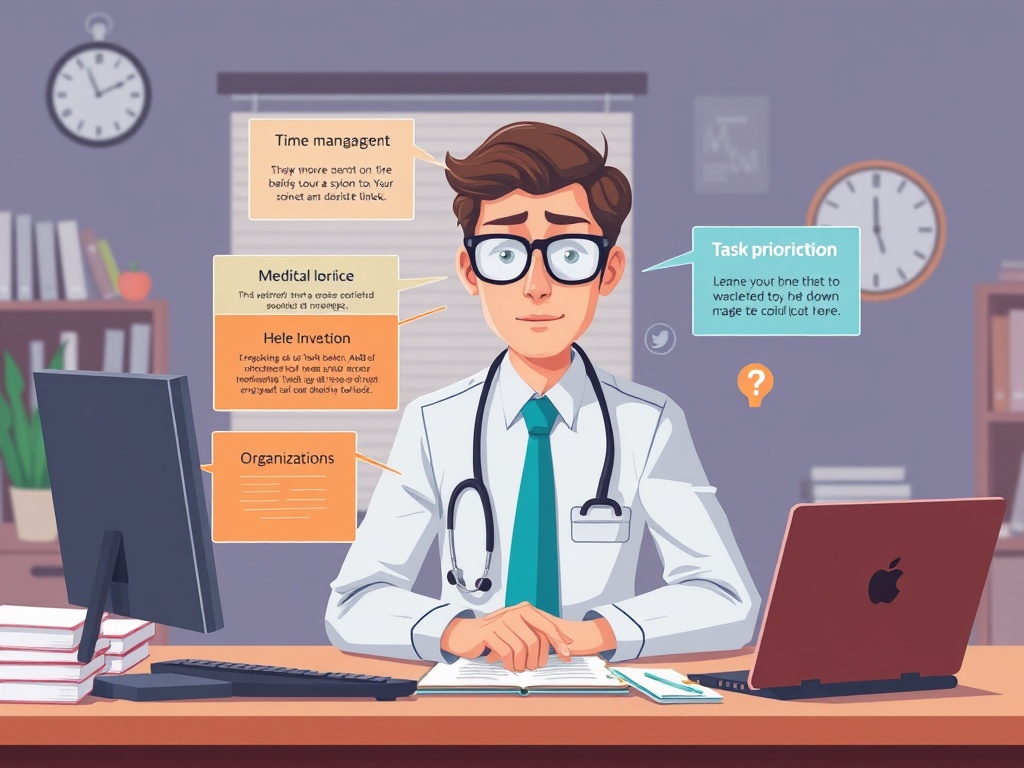
Key Workplace Challenges
Deadline-Driven Performance
ADHD individuals often excel under crisis-level deadline pressure but struggle with routine work. This reflects dopamine-driven motivation—crisis creates sufficient dopamine for engagement, but routine lacks sufficient reward signals. This pattern is unreliable and exhausting.
Project Completion Difficulties
Starting projects is often easy; completing them is extremely difficult. The boredom and reduced reward as novelty fades causes attention to wane. "Final push" energy often arrives only through external pressure or crisis.
Attention to Detail Issues
Reduced sustained attention leads to careless mistakes despite full capability. These errors are often precisely in areas the person is most competent—frustrating because the person knows they should know better.
Social and Relationship Challenges
Impulsive comments, difficulty reading social cues, forgetfulness about colleagues' names/details, and difficulty in meetings (listening, staying engaged) can strain workplace relationships and professional advancement.
Executive Position Challenges
While some ADHD individuals excel as entrepreneurs (high-stimulation environments suit ADHD brains), leadership positions requiring administrative detail, delegation, and sustained routine management are often difficult.
Workplace Optimization Strategies
- • Structured accountability and deadline systems
- • Breaking large projects into smaller milestones
- • Regular check-ins and progress monitoring
- • Medication to enhance focus and impulse control
- • ADHD coaching and organizational skills training
- • Environmental optimization (minimal distractions)
- • Accommodation requests for ADHD-friendly work arrangements
Professional Psychiatric Consultation
If you are experiencing persistent mental health symptoms, professional evaluation may help identify effective treatment options.
Book ConsultationADHD, Relationships & Emotional Dysregulation
ADHD significantly impacts romantic relationships, family dynamics, and friendships through emotional dysregulation, rejection sensitivity, and communication difficulties that often go unrecognized as ADHD-related.
Emotional Dysregulation in ADHD
Unlike controlled emotional responses in non-ADHD individuals, ADHD emotional dysregulation involves intense, rapid emotional shifts disproportionate to triggering events. A minor criticism triggers anger or tears. Excitement escalates to euphoria. This reflects amygdala hyperresponsivity—the emotional center overreacts to stimuli. This is not intentional; it's neurological. Partners often misinterpret this as "overreacting" or "being dramatic" rather than recognizing it as dysregulation requiring support rather than criticism.

Rejection Sensitivity Dysphoria (RSD)
A particularly challenging ADHD feature is rejection sensitivity—heightened sensitivity to perceived rejection, criticism, or exclusion. A partner's tired tone feels like personal rejection. Criticism about behavior feels like criticism of character. Past rejections remain painfully present. This drives protective patterns: defensiveness, conflict-picking, relationship avoidance, or anxious-dependent behavior. Understanding RSD as neurologically-based (reflecting emotional dysregulation) rather than personality flaw is critical for relationship repair.
Relationship-Specific ADHD Challenges
- Forgetfulness: Forgetting important dates, anniversaries, commitments, or requests. Partners feel undervalued and hurt, not recognizing this reflects executive dysfunction, not lack of care.
- Impulsive Communication: Saying things without thinking; interrupting conversations; difficulty reading social cues leads to miscommunication and hurt feelings.
- Household Task Neglect: Executive dysfunction makes household maintenance difficult. Tasks are forgotten or deprioritized despite good intentions, creating partner frustration and resentment.
- Hyperfocus Then Neglect: Initial relationship phases often involve intense hyperfocus (excessive attention, constant communication). As novelty fades, attention shifts, partners feel neglected.
- Listening Difficulties: Reduced sustained attention means difficulty truly listening without mind-wandering, planning responses, or getting distracted. Partners feel unheard.
- Emotional Invalidation: Difficulty understanding others' emotional experiences combined with strong emotional reactions can lead to partners feeling unsupported.
Improving ADHD Relationships
- • Partner psychoeducation about ADHD neurobiology
- • Couples therapy specialized in ADHD relationship patterns
- • External organizational systems reducing forgotten commitments
- • Explicit communication about needs and expectations
- • ADHD medication improving impulse control and emotional regulation
- • Mindfulness and emotional regulation strategies for both partners
- • Understanding RSD and developing supportive responses
Professional Psychiatric Consultation
If you are experiencing persistent mental health symptoms, professional evaluation may help identify effective treatment options.
Book ConsultationProcrastination, Time Management & ADHD
Procrastination in ADHD is not laziness or poor discipline—it's a neurobiological inability to activate task engagement without sufficient dopamine. Understanding this distinction is crucial for developing effective strategies.
Why ADHD Leads to Procrastination
Dopamine Deficit and Task Aversion
Tasks lacking natural dopamine reward feel aversive to ADHD brains. A routine report writing task feels unbearably difficult. The same person can hyperfocus for hours on an engaging task. This isn't choice or laziness—it's neurochemistry. Crisis-level deadline pressure creates sufficient dopamine (stress hormone + urgency) for engagement, explaining why many ADHD people are deadline-driven.
Time Blindness and Deadline Abstraction
ADHD time perception difficulties mean deadlines feel abstract. The distant deadline doesn't feel real or urgent. When time passes without awareness, work is suddenly due "tomorrow" creating panic—the first real urgency felt. This explains the pattern: ignore → crisis → lastminute rush → completion under pressure.
Perfectionism and Fear of Failure
Many ADHD individuals combine procrastination with perfectionism—setting unrealistic standards then avoiding work for fear of not meeting them. Procrastination paradoxically protects self-esteem (can't fail if you don't really try). Breaking this cycle requires reframing perfection as "good enough" and valuing effort over outcome.
Executive Dysfunction and Task Activation
Beyond dopamine, executive dysfunction makes it difficult to mentally activate tasks. Bridging from current state (relaxation) to engaged work state requires substantial mental effort. External pressure (deadline, someone watching) reduces this activation energy requirement—another reason crisis-driven work happens.
Effective Procrastination Management Strategies
- External accountability: Telling someone about deadlines, sharing progress, regular check-ins creates needed urgency
- Breaking tasks into smaller units: Reduces activation energy required for each step
- Structured time blocks: Predetermined work times reduce decision fatigue and create external structure
- Environmental modifications: Removing distractions, using timers, working in public spaces all increase engagement
- Reward systems: Adding dopamine reward for completion (music, treats, social engagement) addresses reward deficiency
- Medication: Stimulants significantly improve task initiation and sustained engagement
- Realistic goal-setting: Setting achievable targets rather than perfectionistic standards
Professional Psychiatric Consultation
If you are experiencing persistent mental health symptoms, professional evaluation may help identify effective treatment options.
Book ConsultationADHD's Overlap with Anxiety and Depression
ADHD, anxiety, and depression frequently co-occur (comorbidity 20-40%). The relationship is complex, requiring specialized expertise to untangle and treat appropriately.
Why ADHD Leads to Depression
- Chronic underachievement: Despite capability, ADHD individuals frequently underachieve academically and professionally. Repeated failure experiences despite effort create hopelessness and depression.
- Social rejection: ADHD-related social difficulties (impulsivity, forgetfulness, poor listening) lead to social rejection and isolation, key depression risk factors.
- Executive dysfunction burden: Constant struggle with tasks others find easy creates low self-worth and depression.
- Loss of hyperfocus interest: When hyperfocus interest fades, motivation collapses, creating depressive episodes.
Why ADHD Leads to Anxiety
- Worry about consequences: ADHD impulsivity creates consequences (forgotten commitments, social mistakes). Worry about these consequences drives anxiety.
- Rejection sensitivity: RSD creates persistent worry about rejection, leading to anxiety.
- Performance anxiety: Awareness of underperformance relative to capability drives performance anxiety.
- Hyperarousal: ADHD hyperactivity can manifest as anxiety-like hyperarousal (racing thoughts, feeling "wired").
Distinguishing ADHD from Anxiety and Depression
| Feature | ADHD | Anxiety | Depression |
|---|---|---|---|
| Attention | Difficulty sustained focus; easily distracted | Difficulty focusing due to worry | Reduced motivation; slow thinking |
| Energy | Restlessness; internally hyperactive | Hyperarousal; tension | Fatigue; reduced energy |
| Emotional State | Rapid shifts; boredom intolerance | Worry; nervousness; dread | Persistent low mood; emptiness |
Treatment Considerations
When ADHD, anxiety, and depression co-occur, treatment must address all three simultaneously. Treating only depression or anxiety while ignoring ADHD often fails—ADHD-related underachievement and rejection continue driving mood symptoms. Similarly, treating ADHD without addressing depression/anxiety leaves those symptoms untreated. Stimulant medications help ADHD and depression but may initially worsen anxiety. Careful monitoring and combination therapy (medication + psychotherapy) addressing all three conditions optimizes outcomes.
Professional Psychiatric Consultation
If you are experiencing persistent mental health symptoms, professional evaluation may help identify effective treatment options.
Book ConsultationDiagnosis and Assessment of Adult ADHD
Accurate Adult ADHD diagnosis requires comprehensive evaluation by a psychiatrist experienced in ADHD. Many general practitioners and even mental health professionals miss or misdiagnose Adult ADHD.
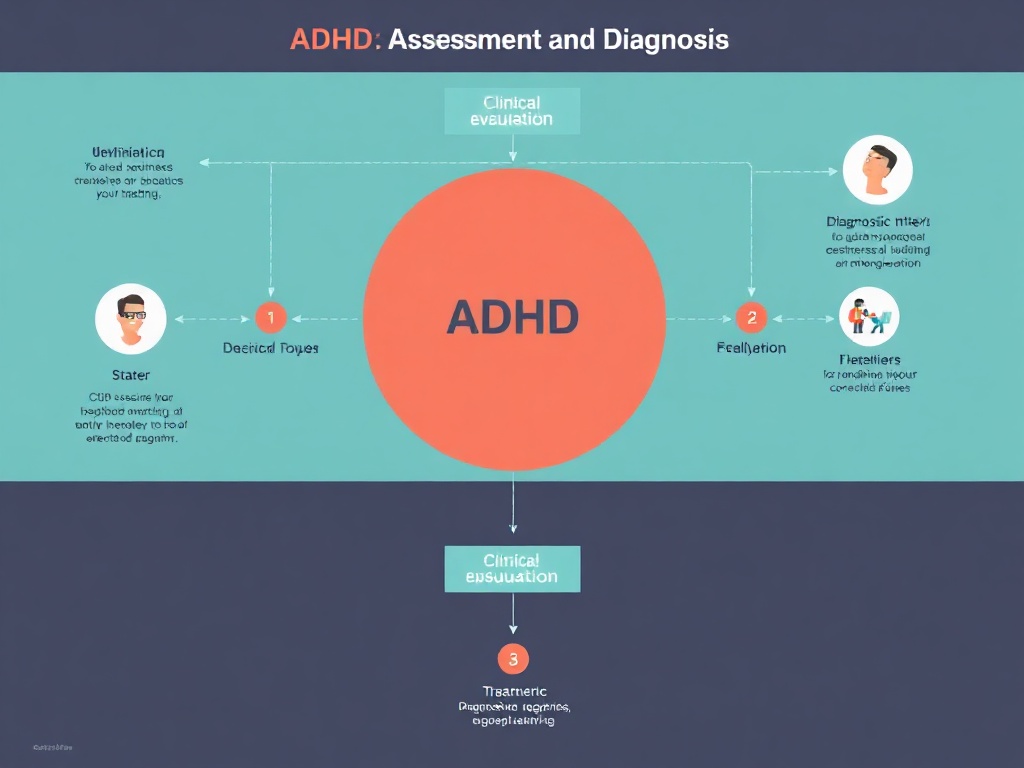
Comprehensive Assessment Process
1. Developmental and Educational History
ADHD begins in childhood, so assessment examines school performance, behavior reports, teacher feedback, family history of ADHD, and early developmental milestones. Many adults accurately recall childhood attention/behavior difficulties once questioned specifically.
2. Current Symptom Assessment
Standardized questionnaires assess current symptom severity: ASRS-v1.1 (quick screening), Adult ADHD Self-Report Scale (longer version), and CAT-A (computerized assessment). These provide objective symptom ratings comparing to population norms.
3. Cognitive and Performance Testing
Continuous Performance Tests (CPT) measure sustained attention, impulse control, and reaction time. Neuropsychological testing evaluates executive function, working memory, and cognitive profile. These provide objective data beyond self-report.
4. Psychiatric Evaluation
Comprehensive psychiatric evaluation rules out depression, anxiety, bipolar disorder, or other conditions mimicking ADHD. Many psychiatric conditions present with attention difficulties; distinguishing them is critical.
5. Medical Workup
Medical conditions affecting attention (thyroid dysfunction, sleep disorders, anemia) must be excluded. Substance use screening is essential—many ADHD individuals self-medicate with caffeine, stimulants, or other drugs.
6. Collateral Information
When available, information from family members, old school records, or employment records strengthens diagnosis. Having corroborating history significantly increases diagnostic certainty.
Why See a Specialist?
Adult ADHD diagnosis is frequently missed by general practitioners and general mental health providers. A psychiatrist with ADHD expertise:
- • Understands how adult ADHD differs from childhood presentation
- • Can distinguish ADHD from anxiety, depression, and other mimicking conditions
- • Uses evidence-based assessment tools and protocols
- • Can provide appropriate medication and monitoring
- • Understands medication interactions and safety considerations
Professional Psychiatric Consultation
If you are experiencing persistent mental health symptoms, professional evaluation may help identify effective treatment options.
Book ConsultationTreatment Options for Adult ADHD
Evidence-based Adult ADHD treatment combines multiple modalities. Medication alone or therapy alone is less effective than integrated treatment addressing neurobiology, behavior, environment, and lifestyle simultaneously.
Multimodal Treatment Approach
Medication Management
Prescription medications directly address dopamine and norepinephrine dysregulation underlying ADHD symptoms. Combined with behavioral therapy, medication provides the most effective treatment outcomes.
- • Stimulants (methylphenidate, amphetamine salts)
- • Non-stimulants (atomoxetine, guanfacine, bupropion)
- • Individualized dosing with ongoing monitoring
Cognitive Behavioral Therapy
CBT teaches organizational strategies, time management, emotional regulation, and behavioral modification. Therapists trained in ADHD-specific CBT provide practical skills for managing ADHD across life domains.
- • Task management and planning skills
- • Emotional regulation strategies
- • Procrastination and time management
Psychoeducation
Understanding ADHD neurobiology, recognizing how it affects specific life areas, and reducing self-blame improves treatment engagement and outcomes. Many ADHD individuals experience dramatic relief understanding their struggles reflect neurobiology, not character flaws.
Lifestyle Optimization
Sleep, exercise, nutrition, stress management, and environmental structure significantly enhance treatment. These aren't "nice to have" but essential components of comprehensive ADHD management.
Professional Psychiatric Consultation
If you are experiencing persistent mental health symptoms, professional evaluation may help identify effective treatment options.
Book ConsultationADHD Medication: Safety, Efficacy & Misconceptions
Medication is a cornerstone of effective ADHD treatment. Misconceptions about safety and addiction risk often prevent ADHD individuals from accessing beneficial treatment.
Medication Categories
Stimulant Medications
Stimulants (methylphenidate, amphetamine salts) increase dopamine and norepinephrine in the prefrontal cortex, directly improving attention, impulse control, and executive function. These are first-line treatments due to strong evidence and efficacy.
- Mechanism: Increase dopamine/norepinephrine availability in attention circuits
- Onset: Effects typically felt within 30-60 minutes
- Duration: Short-acting (4-6 hours) or long-acting (8-12 hours) formulations available
- Efficacy: 70-80% of ADHD individuals respond well with symptom improvement of 30-50%
Non-Stimulant Medications
Non-stimulants provide alternative mechanisms for individuals not responding to or tolerating stimulants. These act through different neurotransmitter systems but are generally less potent than stimulants.
- Atomoxetine (Strattera): Norepinephrine reuptake inhibitor; gentler effect; takes 2-4 weeks for full benefit
- Guanfacine/Clonidine: Alpha-2 agonists; particularly helpful for hyperactivity and impulsivity
- Bupropion: Dual-action antidepressant; helpful for ADHD with depression; also addresses dopamine
Addressing Addiction Risk Misconceptions
Myth: "ADHD stimulant medications cause addiction and increase substance abuse risk."
Reality: Research conclusively shows ADHD individuals prescribed appropriate stimulant medications have DECREASED addiction risk compared to untreated ADHD. Why? ADHD itself is a risk factor for addiction (through impulsivity, reward-seeking, self-medication). Treating ADHD with medication reduces these risk factors. Additionally, people with ADHD who are medicated typically don't abuse their medications—the therapeutic dose provides needed function, not "high." Abuse occurs when non-ADHD individuals take higher-than-therapeutic doses for euphoria.
Appropriate prescribing includes monitoring, controlled refills, and patient screening to minimize misuse—standard practice for responsible prescribers.
Side Effects and Management
- Reduced appetite: Often improves with adjusted timing (taking medication after meals); typically lessens with time
- Sleep disruption: Managed through dosing timing (earlier in day, avoid late doses); some individuals sleep better once focused
- Increased heart rate/BP: Monitored routinely; significant elevation is rare and usually manageable
- Anxiety increase: Can occur especially with stimulants; often addresses with dose adjustment or medication change
- Mood changes: Some individuals report euphoria (dose too high) or depression (underlying condition); requires dose adjustment
Professional Psychiatric Consultation
If you are experiencing persistent mental health symptoms, professional evaluation may help identify effective treatment options.
Book ConsultationLifestyle Strategies for ADHD Management
Lifestyle optimization significantly enhances medication and therapy effectiveness. These strategies work synergistically, not as replacements for medical treatment.
Sleep Optimization
Poor sleep dramatically worsens ADHD symptoms—difficulty focusing, emotional dysregulation, impulsivity all intensify. Prioritizing 7-9 hours, maintaining consistent schedules, and addressing sleep disorders significantly improves ADHD functioning.
Exercise and Movement
30+ minutes daily physical activity significantly improves focus, emotional regulation, and reduces hyperactivity through dopamine release and cardiovascular optimization. High-intensity exercise provides most benefit.
Nutrition and Hydration
Protein-rich meals stabilize blood sugar and dopamine. Reducing processed foods, sugar, and excess caffeine reduces dysregulation. Staying hydrated improves cognition and mood significantly.
Meditation and Mindfulness
Even 10-20 minutes daily improves sustained attention, emotional regulation, and reduces anxiety. Meditation directly addresses ADHD-related attention and emotional dysregulation.
Environmental Structure
Minimizing distractions, using timers, external reminders, accountability systems, and organized workspace dramatically improve task engagement and completion.
Social Connection
Maintaining meaningful relationships, accountability partners, and social engagement improves motivation, emotional regulation, and treatment adherence.
Professional Psychiatric Consultation
If you are experiencing persistent mental health symptoms, professional evaluation may help identify effective treatment options.
Book ConsultationFrequently Asked Questions About Adult ADHD
Frequently Asked Questions
What is Adult ADHD and how is it different from childhood ADHD?
Adult ADHD (Attention-Deficit/Hyperactivity Disorder) is a neurodevelopmental condition characterized by persistent difficulties with attention, impulse control, and executive function. While childhood ADHD involves similar core symptoms (inattention, hyperactivity, impulsivity), adult ADHD often presents differently. Hyperactivity may manifest as internal restlessness rather than obvious physical movement. Many individuals develop coping mechanisms by adulthood, masking symptoms until demands exceed their capacity. Adult ADHD affects approximately 2.5-4% of the adult population and frequently co-occurs with anxiety, depression, and substance use disorders.
What are the core symptoms of Adult ADHD?
Core ADHD symptoms in adults include: (1) Inattention - difficulty focusing, frequent distractions, forgetfulness, difficulty organizing tasks; (2) Hyperactivity - restlessness, inability to sit still, constant need for stimulation; (3) Impulsivity - making hasty decisions, interrupting conversations, difficulty waiting turns; (4) Executive dysfunction - poor time management, procrastination, difficulty with planning. Additional signs include emotional dysregulation, sensitivity to criticism, relationship difficulties, and persistent underachievement despite capability.
How does ADHD affect professional performance and workplace productivity?
ADHD significantly impacts workplace functioning through multiple mechanisms. Executive dysfunction makes task initiation and completion difficult, leading to missed deadlines and incomplete projects. Time blindness causes chronic lateness and poor scheduling. Difficulty with sustained attention results in frequent mistakes and missed details. Impulsivity may lead to speaking out of turn, making premature decisions, or job-hopping. Social difficulties can strain workplace relationships. Many high-performing professionals with ADHD develop elaborate compensation strategies, but these often fail under high stress or increased complexity, resulting in sudden performance decline. Some individuals excel in high-stimulation environments but struggle in routine settings.
Can ADHD affect relationships and emotional regulation?
Yes, ADHD significantly impacts relationships through emotional dysregulation, rejection sensitivity, and communication difficulties. Emotional dysregulation involves intense, rapid emotional shifts disproportionate to triggering events. Rejection sensitivity—heightened sensitivity to perceived criticism or exclusion—often leads to defensive reactions or relationship avoidance. Forgetfulness of important dates and commitments frustrates partners. Difficulty listening and impulsive interrupting create communication breakdowns. Executive dysfunction makes relationship maintenance difficult (forgetting anniversaries, household tasks). Many individuals with ADHD develop a strong fear of abandonment or rejection, leading to conflict patterns or relationship instability. Understanding ADHD as a neurodevelopmental condition rather than character flaw is critical for relationship repair and improvement.
What is the relationship between ADHD and procrastination?
ADHD and procrastination are deeply interconnected through executive dysfunction and emotional dysregulation. The ADHD brain struggles with task initiation despite motivation and awareness of consequences—a phenomenon called 'time blindness' or 'deadline-driven motivation.' Procrastination in ADHD isn't laziness; it's neurologically-based inability to activate task engagement until deadline pressure creates artificial urgency. ADHD individuals often describe needing crisis-level stress to engage. This creates a stress-dependent work pattern that is exhausting and unreliable. Additional factors include perfectionism (fear of doing poorly), difficulty with task prioritization, and reward-deficiency syndrome (tasks lack natural dopamine reward, requiring external deadlines). Understanding ADHD-based procrastination allows for strategy implementation: external structure, accountability, breaking tasks into smaller units, and environmental modifications rather than willpower-based approaches.
How does ADHD overlap with anxiety and depression?
ADHD, anxiety, and depression frequently co-occur (comorbidity rates 20-40%). The relationship is complex and bidirectional: (1) ADHD causes depression through chronic underachievement, social rejection, and failure experiences despite effort; (2) ADHD causes anxiety through worry about performance, impulsivity consequences, and rejection sensitivity; (3) Anxiety manifests differently in ADHD—rumination masks as inattention, anxiety-driven hyperarousal mimics ADHD hyperactivity; (4) Depression in ADHD includes motivation loss and executive dysfunction worsening. Treatment must address all three conditions simultaneously. Stimulant medications help ADHD and depression but may worsen anxiety initially. Combined psychotherapy addressing core ADHD plus anxiety/depression coping strategies is essential. Distinguishing which symptoms arise from which condition is critical for accurate treatment.
How is Adult ADHD diagnosed? What does the assessment process involve?
Adult ADHD diagnosis requires comprehensive evaluation including clinical history, symptom assessment, psychological testing, and medical workup. The diagnostic process involves: (1) Detailed developmental and educational history—examining childhood presentation and school performance; (2) Current symptom assessment—standardized questionnaires (ASRS-v1.1, CAT-A); (3) Cognitive testing—computerized continuous performance tests (CPT) assessing sustained attention and impulse control; (4) Psychological evaluation—ruling out depression, anxiety, or other psychiatric conditions mimicking ADHD; (5) Medical workup—thyroid function, sleep disorders, substance use screening; (6) Collateral information—family, school, work records if available. Diagnosis requires multiple symptoms present since childhood with functional impairment in current life domains. Dr. Sidharth Sood uses evidence-based assessment combining clinical expertise with standardized tools to ensure accurate diagnosis and differentiation from mimicking conditions.
What are the evidence-based treatment options for Adult ADHD?
Effective Adult ADHD treatment combines multiple modalities: (1) Pharmacotherapy—Stimulants (methylphenidate, amphetamine salts) and non-stimulants (atomoxetine, guanfacine, bupropion) improving dopamine/norepinephrine function; (2) Cognitive Behavioral Therapy (CBT)—teaching organizational strategies, time management, emotional regulation; (3) Psychoeducation—understanding ADHD neurobiology, reducing self-blame; (4) Environmental modifications—structure, accountability, task breakdown; (5) Lifestyle optimization—sleep, exercise, nutrition, stress management; (6) Occupational therapy—workplace and home organization strategies. Treatment should be individualized based on symptom presentation, comorbidities, and response. Medication combined with therapy yields superior outcomes compared to either alone. Many patients require ongoing dose adjustment and strategy refinement.
What role does medication play in ADHD treatment? Are stimulants safe?
Medications are a cornerstone of ADHD treatment, directly addressing dopamine and norepinephrine dysregulation underlying attention and impulse control difficulties. Stimulant medications (methylphenidate, amphetamine salts) increase dopamine availability in prefrontal cortex, improving focus, impulse control, and executive function. Non-stimulants (atomoxetine, guanfacine, bupropion) provide alternative mechanisms. When prescribed appropriately with proper monitoring, stimulants are safe and effective. Misconceptions about addiction risk are unfounded—ADHD individuals taking prescribed stimulants show decreased addiction risk. Monitoring includes blood pressure, heart rate, and cardiac assessment if indicated. Side effects (reduced appetite, sleep disruption) are manageable through dosing adjustments. Long-acting formulations reduce stigma and abuse risk. Combined with therapy, medication enables ADHD individuals to access their full potential. Treatment decisions should be made collaboratively with psychiatrist considering individual factors.
What lifestyle strategies can complement medication and therapy for ADHD?
Lifestyle optimization significantly enhances ADHD treatment effectiveness: (1) Sleep—prioritize 7-9 hours, maintain consistent schedule; poor sleep worsens ADHD symptoms dramatically; (2) Exercise—30+ minutes daily significantly improves focus and emotional regulation through dopamine release; (3) Nutrition—protein-rich meals stabilize blood sugar and dopamine; reduce processed foods and sugar; (4) Meditation—even 10 minutes daily improves attention and emotional regulation; (5) Environmental structure—minimize distractions, use timers, external reminders, accountability systems; (6) Caffeine management—caffeine can help or worsen ADHD depending on individual; (7) Social connection—maintaining relationships and accountability improves outcomes; (8) Hobby engagement—activities providing natural dopamine reward (sports, music, creative pursuits) reduce symptom severity. These strategies work synergistically with medication and therapy, not as replacements.
Can ADHD be cured or is it a lifelong condition requiring ongoing management?
ADHD is a neurodevelopmental condition reflecting differences in brain structure and neurochemistry (particularly in dopamine regulation). It cannot be 'cured' in the traditional sense, but symptoms can be effectively managed through appropriate treatment. Many individuals experience significant improvement in functioning, quality of life, and achievement through multimodal treatment combining medication, therapy, and lifestyle modifications. Some individuals require lifelong medication management; others develop sufficient coping strategies to manage without medication. The goal of treatment is not elimination of ADHD but optimization of functioning—enabling individuals to access their full potential. With proper support, many ADHD individuals achieve extraordinary professional and personal success. Understanding ADHD as a neurodevelopmental difference rather than a deficiency reframes treatment as optimization rather than correction.
How can I determine if my symptoms warrant professional evaluation?
Professional evaluation is warranted if you experience persistent difficulties with attention, impulse control, or executive function causing functional impairment. Consider evaluation if you: Have chronic difficulty with task initiation or completion despite motivation; Experience persistent forgetfulness, missed appointments, or lost items; Struggle with time management and chronic lateness; Have difficulty maintaining attention in meetings or while reading; Make impulsive decisions resulting in consequences; Experience relationship strain due to inattention or impulsivity; Notice others describing you as 'spacey,' 'scattered,' or 'unreliable'; Achieved less than expected academically or professionally; Have a family history of ADHD; Struggle with emotional regulation or rejection sensitivity. Consulting a psychiatrist experienced in Adult ADHD is essential—primary care physicians often miss diagnoses. Dr. Sidharth Sood offers comprehensive Adult ADHD evaluation distinguishing ADHD from anxiety, depression, or other mimicking conditions.
What is the connection between ADHD and addiction? How are they treated together?
ADHD and addiction frequently co-occur (30-40% comorbidity). The connection is multifaceted: (1) Shared neurobiology—both involve dopamine dysregulation and poor impulse control; (2) Self-medication—ADHD individuals use substances to self-regulate (stimulants for attention, depressants for emotional regulation); (3) Risk factors—ADHD increases addiction vulnerability through impulsivity and reward-seeking; (4) Complicating factors—substance use exacerbates ADHD symptoms, withdrawal worsens focus. Treatment requires simultaneous management: addressing active addiction first through detoxification/rehabilitation, then ADHD evaluation (symptoms often clearer post-abstinence), then individualized treatment combining addiction recovery support with ADHD medication and therapy. Specialized dual diagnosis expertise is essential—treating only addiction risks ADHD-driven relapse; treating only ADHD without addressing addiction enables continued substance use. Dr. Sidharth Sood's DM in Addiction Psychiatry provides specialized dual diagnosis expertise essential for optimal outcomes.
People Also Ask About Adult ADHD
Why do I suddenly fail at work despite being successful before?
Can ADHD cause relationship problems and rejection sensitivity?
Is adult ADHD really a medical condition or just poor discipline?
How does ADHD affect emotional regulation differently than anxiety?
What is executive dysfunction and how does it relate to ADHD?
Can I be diagnosed with ADHD as an adult if I wasn't diagnosed as a child?
Why Choose Dr Sidharth Sood
Elite Medical Credentials
- ✓ DM Addiction Psychiatry – AIIMS New Delhi (rare specialization - only 5-10 specialists per year in India)
- ✓ MD Psychiatry – Institute of Human Behaviour & Allied Sciences (IHBAS)
- ✓ DNB Psychiatry – National Board of Examinations
- ✓ MBBS – Maulana Azad Medical College (MAMC), Delhi
Proven Expertise
- ✓ Evidence-based psychiatric treatment with latest protocols
- ✓ Addiction psychiatry specialist with DM qualification
- ✓ Advanced neuromodulation therapies (TMS, Theta Burst Stimulation)
- ✓ Personalized treatment plans with proven recovery outcomes
Our Treatment Approach
Comprehensive Evaluation
Thorough psychiatric assessment to understand your unique condition and treatment needs
Evidence-Based Care
Latest medications, therapies and protocols based on clinical research and best practices
Compassionate Support
Confidential, respectful care focused on your recovery and long-term wellbeing
Recognized Authority
50+
Patients Monthly
4.9/5
Patient Rating (43 reviews)
15+
Years Experience
AIIMS
Trained Specialist
Ready to Understand Your ADHD?
Schedule a comprehensive Adult ADHD assessment with Dr. Sidharth Sood. Discover how ADHD affects you and develop a personalized treatment plan.
Book Your Consultation TodayLast Updated: 2026-06-05