What Causes Depression?
Depression rarely has a single cause. Instead, it typically results from a combination of biological, genetic, environmental, and lifestyle factors. Understanding these causes helps explain why depression develops and how it can be treated effectively.
Biological Factors
Neurotransmitter Imbalances
The most significant biological factor in depression is an imbalance in brain chemicals called neurotransmitters:
Serotonin:
- Regulates mood, sleep, and appetite
- Low serotonin is strongly associated with depression
- SSRIs work by increasing serotonin availability
Dopamine:
- Controls motivation and pleasure
- Deficiency contributes to lack of interest and motivation
Norepinephrine:
- Affects energy, attention, and arousal
- Low levels contribute to fatigue and poor concentration
Glutamate:
- The brain’s primary excitatory neurotransmitter
- Imbalances affect mood regulation
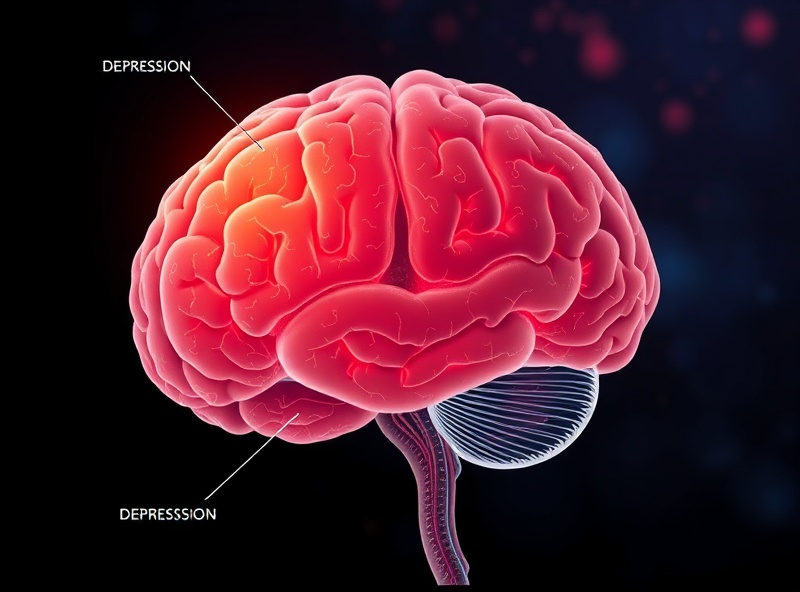
Brain Structure and Function
- Reduced activity in the prefrontal cortex (decision-making, emotional control)
- Changes in the amygdala (emotion processing)
- Hippocampal changes affecting memory and emotion regulation
Hormonal Factors
- Thyroid dysfunction
- Hormonal changes during menopause or perimenopause
- Cortisol dysregulation (stress hormone)
- Reproductive hormone imbalances
Genetic Factors
Family History
- If one parent has depression: 15% risk for children
- If both parents have depression: 45% risk for children
- Not destiny—genetics increase vulnerability but don’t guarantee depression
Gene Expression
- Specific genes affect neurotransmitter production
- Environmental stress can activate genetic predisposition (epigenetics)
- Multiple genes contribute—not a single “depression gene”
Environmental and Life Stressors
Major Life Events
- Loss of a loved one
- Relationship problems or divorce
- Job loss or career difficulties
- Financial stress
- Health issues or chronic illness
- Moving or major life changes
Trauma and Abuse
- Childhood trauma increases lifetime depression risk
- Physical, emotional, or sexual abuse
- Neglect or deprivation
- Complex trauma with long-term effects
Chronic Stress
- Ongoing work stress
- Caregiver burden
- Social isolation
- Living in unsafe environments
Medical Conditions Associated with Depression
Neurological Conditions
- Parkinson’s disease
- Stroke
- Alzheimer’s disease
- Multiple sclerosis
Endocrine Disorders
- Thyroid disease (hypothyroidism)
- Diabetes
- Cushing’s syndrome
- Addison’s disease
Other Medical Conditions
- Chronic pain conditions
- Heart disease
- Cancer
- Autoimmune diseases
- Sleep apnea
Lifestyle Factors
Sleep Issues
- Sleep deprivation increases depression risk
- Insomnia and depression create a vicious cycle
- Irregular sleep patterns affect mood regulation
Physical Inactivity
- Sedentary lifestyle increases depression risk
- Exercise reduces depression symptoms significantly
- Physical activity increases endorphins and serotonin
Substance Use
- Alcohol and drug use can trigger or worsen depression
- Addiction and depression often co-occur
- Withdrawal from substances can cause depression
Poor Nutrition
- Lack of B vitamins affects mood
- Omega-3 deficiency associated with depression
- Poor diet affects gut health (gut-brain connection)
- Blood sugar imbalances affect mood stability
Social Isolation
- Lack of meaningful social connections
- Loneliness increases depression risk
- Limited support system
- Social withdrawal worsens depression
Age and Gender Factors
Gender Differences
- Women are twice as likely to experience depression as men
- Hormonal factors (menstrual cycle, pregnancy, menopause) play a role
- Men may present with different symptoms (anger, irritability)
Age Considerations
- Adolescence and early adulthood have increased risk
- Significant stressors during these years
- Aging brings increased medical issues and life changes
The Vulnerability-Stress Model
Depression often develops when genetic vulnerability meets significant stress. Someone with high genetic risk might develop depression with moderate stress, while someone with low genetic risk might need severe stress to trigger depression. This explains why depression looks different for different people.
Prevention and Management
Understanding causes helps in prevention:
- Build strong social connections
- Maintain regular exercise
- Ensure adequate sleep
- Manage stress effectively
- Address medical conditions
- Seek professional help early
Getting Help
If you suspect depression, professional evaluation is important. Dr. Sidharth Sood can assess multiple factors contributing to your depression and create an effective treatment plan.
Understanding the causes is the first step to recovery. Book an Appointment | Consult Online | WhatsApp Consultation


