ADHD Symptoms: Signs of ADHD in Adults and Children
Attention-Deficit/Hyperactivity Disorder (ADHD) is a neurodevelopmental condition that affects attention, impulse control, and activity levels. ADHD can affect children, adolescents, and adults, and symptoms may change across different stages of life.
According to epidemiological studies, ADHD affects approximately 5–7% of children and about 2.5–4% of adults worldwide.
Table of Contents
Research Evidence
Reference: Faraone SV et al. World Federation of ADHD International Consensus Statement (2021).
Understanding ADHD symptoms in adults and children is crucial for early diagnosis and intervention. Research shows that ADHD is a neurodevelopmental condition with significant public health implications affecting education, employment, and mental health outcomes.
What Is ADHD?
ADHD is characterized by persistent patterns of:
Inattention
Difficulty sustaining attention, focus, and task completion
Hyperactivity
Restlessness, excessive motion, difficulty sitting still
Impulsivity
Acting without thinking, difficulty waiting, interrupting others
These symptoms interfere with daily functioning in areas such as school performance, work productivity, relationships, and organization.
ADHD is considered a neurodevelopmental condition involving differences in brain networks responsible for executive functioning and attention regulation.
Symptoms of Inattention
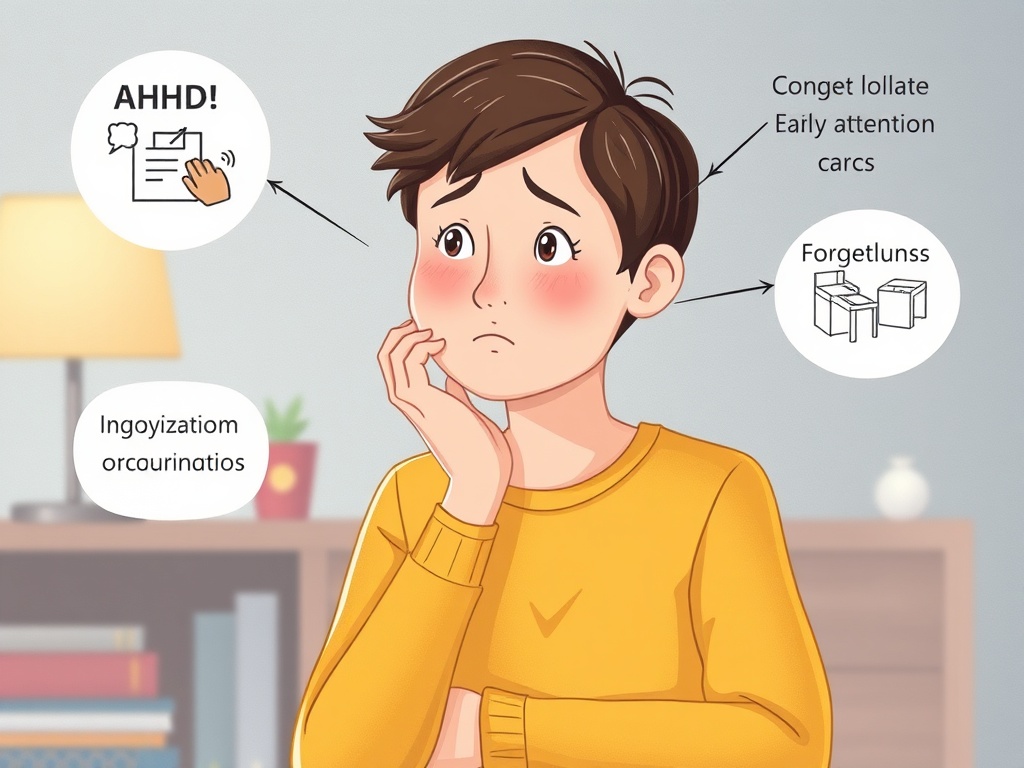
Common symptoms of inattention include:
- • Difficulty sustaining attention on tasks or conversations
- • Careless mistakes in work or school tasks
- • Difficulty organizing tasks and activities
- • Frequently losing items such as keys or documents
- • Forgetfulness in daily activities and responsibilities
- • Being easily distracted by external stimuli
These symptoms can significantly affect academic performance, workplace productivity, and everyday responsibilities.
Symptoms of Hyperactivity
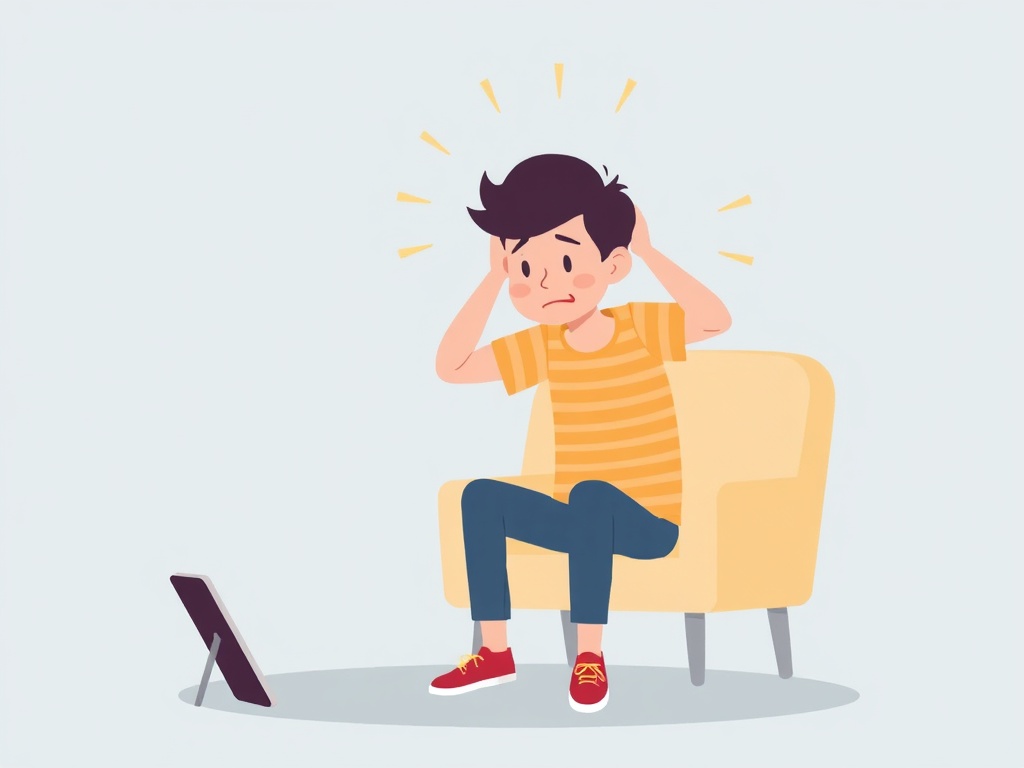
Hyperactivity symptoms may include:
- • Difficulty sitting still or remaining seated
- • Excessive talking and difficulty being quiet
- • Restlessness and constant motion
- • Feeling internally "driven" or compelled to move
- • Difficulty engaging in quiet leisure activities
- • Restlessness during meetings or extended sitting
In adults, hyperactivity often appears as internal restlessness rather than physical overactivity.
Symptoms of Impulsivity
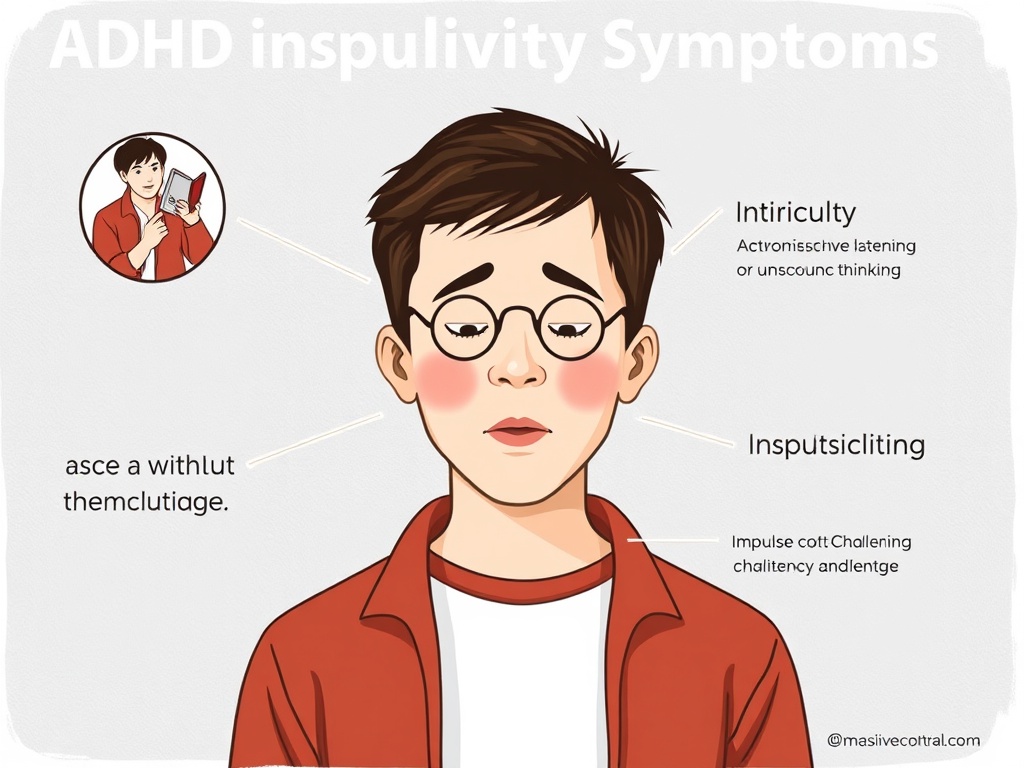
Impulsivity may present as:
- • Interrupting or intruding on others' conversations
- • Blurting out answers without being called on
- • Difficulty waiting for one's turn in games or activities
- • Making quick decisions without considering consequences
- • Impatience in social or work settings
- • Difficulty resisting urges to speak or act
Impulsivity can sometimes contribute to difficulties in relationships and decision-making.
ADHD Symptoms in Children

Children with ADHD may display:
- • Difficulty remaining seated in class
- • Talking excessively compared to peers
- • Interrupting teachers or peers frequently
- • Difficulty following multi-step instructions
- • Frequent loss of school materials and belongings
- • Difficulty completing homework
- • Grades below their ability level
Important: Symptoms typically appear before the age of 12 and must be present in more than one setting such as home and school to meet diagnostic criteria.
ADHD Symptoms in Adults
ADHD symptoms often look different in adults. Common features include:
- • Chronic procrastination on routine tasks
- • Difficulty organizing tasks and managing time
- • Frequent forgetfulness and absent-mindedness
- • Difficulty completing projects or assignments
- • Time management problems and chronic lateness
- • Impulsive decision-making in work or finances
- • Difficulty maintaining relationships
Many adults with ADHD develop coping strategies but may still experience significant challenges in work and daily life. Some individuals go undiagnosed for years despite lifelong struggles.

ADHD Causes
The exact causes of ADHD are not fully understood, but research suggests multiple contributing factors. These may include:
Genetic Influences
ADHD often runs in families, with studies suggesting 70-80% heritability of the condition.
Dopamine Regulation
Differences in dopamine and norepinephrine systems affect attention and impulse control.
Brain Network Differences
Variations in prefrontal cortex and anterior cingulate cortex function affect executive function.
Environmental Influences
Prenatal factors, nutrition, and environmental toxins may contribute to ADHD development.
Studies indicate ADHD often runs in families, suggesting a strong genetic component. However, ADHD is not caused by parenting style or too much screen time.
ADHD Diagnosis
ADHD diagnosis involves a comprehensive psychiatric assessment that may include:
Clinical Assessment Components
- • Detailed clinical and developmental history
- • Evaluation of childhood symptoms (before age 12)
- • Assessment of functional impairment across settings
- • School or work performance records
- • Family history of ADHD and psychiatric conditions
Additional Evaluations
- • Screening for coexisting conditions (anxiety, depression, sleep disorders)
- • Assessment for substance use disorders
- • Cognitive testing if learning disabilities suspected
- • Physical examination and medical history
- • Rating scales and questionnaires
A qualified mental health professional or physician can determine whether symptoms meet diagnostic criteria for ADHD. Early diagnosis and intervention can prevent secondary problems like low self-esteem, academic failure, and depression.
ADHD Treatment
Treatment for ADHD is individualized and may include:
Medication Treatment
Prescription medications can help improve focus, attention, and impulse control by affecting neurotransmitters in the brain.
- • Stimulant medications (methylphenidate, amphetamines)
- • Non-stimulant medications (atomoxetine, guanfacine)
- • Medication selection based on individual response
Behavioral & Psychological Interventions
Non-medication approaches help develop coping strategies and improve functioning.
- • Cognitive Behavioral Therapy (CBT)
- • Executive function training
- • Organizational and time management strategies
- • Parent training programs (for children)
Lifestyle Modifications
With appropriate treatment combining medication (if indicated), behavioral strategies, cognitive interventions, and lifestyle modifications such as sleep optimization and regular exercise, many individuals experience significant improvements in functioning and quality of life.
ADHD Self Assessment Test
If you are wondering whether ADHD symptoms may apply to you or a loved one, you can complete our interactive screening questionnaire. This assessment is not a diagnostic tool but can provide insight into whether professional evaluation may be beneficial.
Take our free, confidential ADHD screening questionnaire
Adult ADHD Self Assessment TestADHD Diagnosis and Professional Consultation
If ADHD symptoms are affecting your or your child's daily functioning at school, work, or in relationships, professional evaluation by a qualified psychiatrist or mental health professional may be helpful. Early diagnosis and treatment can significantly improve outcomes.
Why Professional Evaluation Matters
Professional evaluation can:
- • Confirm or rule out ADHD diagnosis
- • Identify coexisting conditions (anxiety, depression, sleep disorders)
- • Determine the most appropriate treatment approach
- • Provide strategies for improving functioning
- • Prevent secondary problems from developing
Frequently Asked Questions About ADHD
What are the main symptoms of ADHD?
ADHD is characterized by persistent patterns of inattention, hyperactivity, and impulsivity. Inattention includes difficulty sustaining focus, careless mistakes, and forgetfulness. Hyperactivity includes restlessness and excessive talking. Impulsivity includes interrupting others and acting without thinking. Symptoms must be present before age 12 and occur in multiple settings to meet diagnostic criteria.
How do ADHD symptoms differ between children and adults?
Children often display obvious hyperactivity and difficulty sitting still. Adults typically experience inattention, chronic procrastination, disorganization, and time management problems. Hyperactivity in adults often appears as internal restlessness rather than physical overactivity. Many adults develop coping strategies that mask symptoms, leading to delayed diagnosis.
When do ADHD symptoms typically appear?
ADHD symptoms typically appear before age 12, though diagnosis may occur later in childhood, adolescence, or adulthood. Symptoms must be present in multiple settings (home, school, work) and persist for at least 6 months to meet diagnostic criteria. Some adults are not diagnosed until later in life despite lifelong symptoms.
Can ADHD be diagnosed in adults?
Yes, ADHD can be diagnosed in adults. Many adults were not diagnosed in childhood because their symptoms were missed or because they developed coping strategies. A comprehensive psychiatric evaluation can determine whether adult symptoms meet ADHD diagnostic criteria. Adult ADHD diagnosis requires evidence that symptoms were present in childhood.
What causes ADHD?
The exact causes of ADHD are not fully understood, but research indicates multiple contributing factors including genetic influences, differences in dopamine regulation, neurodevelopmental differences in brain networks, and environmental influences. ADHD often runs in families, suggesting a genetic component. ADHD is not caused by poor parenting or excessive screen time.
How is ADHD diagnosed?
ADHD diagnosis involves a comprehensive psychiatric assessment including detailed clinical history, evaluation of childhood symptoms, assessment of functional impairment, and screening for coexisting conditions. A qualified mental health professional can determine whether symptoms meet diagnostic criteria. There is no single test for ADHD—diagnosis is based on clinical evaluation and symptom pattern.
References
Faraone SV et al. (2021)
The World Federation of ADHD International Consensus Statement on Attention-Deficit/Hyperactivity Disorder. Journal of Attention Disorders, 25(2), 3-20.
American Psychiatric Association (2013)
Diagnostic and Statistical Manual of Mental Disorders (5th ed., text revision). Arlington, VA: American Psychiatric Publishing.
Barkley RA (2010)
Attention-Deficit Hyperactivity Disorder: A Handbook for Diagnosis and Treatment (3rd ed.). New York: Guilford Press.
ADHD Resource Hub
Core ADHD Information
ADHD by Life Stage
ADHD Management Tools
Professional Consultation
Comprehensive ADHD assessment and treatment with Dr. Sidharth Sood.
Schedule AppointmentRecognize ADHD Symptoms? Take the First Step
Our comprehensive ADHD assessment and professional evaluation can help determine if professional diagnosis and treatment is appropriate for you or your loved one.