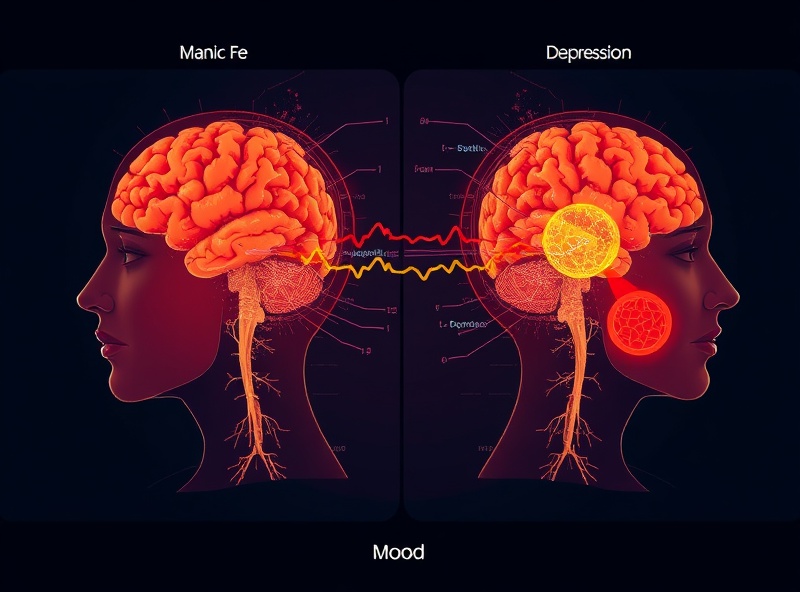
Understanding Bipolar Disorder
Bipolar disorder is a mood disorder characterized by extreme mood swings between manic (or hypomanic) episodes and depressive episodes. Early recognition of these signs is crucial for timely diagnosis and treatment, which can significantly improve outcomes and prevent serious complications.
Manic Episode Warning Signs
Elevated and Expansive Mood
- Unusual cheerfulness lasting days or weeks
- Excessive optimism despite circumstances
- Grandiose thinking
- Inflated self-esteem or sense of importance
- Euphoria that feels inappropriate to situation
Increased Energy and Restlessness
- Dramatic increase in energy levels
- Inability to sit still
- Constant movement or fidgeting
- Pacing or rapid speech
- Physical restlessness lasting hours
Racing Thoughts and Speech
- Thoughts moving very quickly
- Rapid, pressured speech
- Jumping between topics
- Difficulty following conversations
- Talking excessively
Decreased Need for Sleep
Important Warning Sign:
- Feeling rested after only 2-3 hours sleep
- No fatigue despite minimal sleep
- This differs from insomnia (wanting to sleep but can’t)
- Distinguishes mania from other conditions
Impulsive Behavior
- Excessive spending and shopping sprees
- Risky sexual behavior
- Substance abuse escalation
- Reckless driving
- Starting multiple projects simultaneously
Distractibility
- Inability to concentrate
- Jumping between tasks
- Distracted by irrelevant stimuli
- Poor follow-through on projects
- Reduced productivity despite high activity
Hypomanic Episode Signs
Hypomania is less severe than mania:
- Similar symptoms but less intense
- Maintains some functionality
- No psychotic features
- Can be difficult to recognize
- May feel productive rather than problematic
Key Difference from Mania:
- Doesn’t cause significant impairment
- May feel positive
- No psychotic symptoms (hallucinations/delusions)
- More common in Bipolar II Disorder
Depressive Episode Warning Signs
Persistent Low Mood
- Sadness lasting weeks or months
- Hopelessness and despair
- Empty, numb feeling
- Loss of joy in previously enjoyed activities
- Mood doesn’t improve with good events
Loss of Interest and Pleasure
Anhedonia (inability to feel pleasure):
- Nothing brings enjoyment
- Withdrawing from hobbies
- Reduced interest in relationships
- Loss of motivation
- Everything feels pointless
Sleep Disturbances
- Insomnia (difficulty falling/staying asleep)
- Hypersomnia (sleeping excessively)
- Unrefreshed sleep despite hours in bed
- Early morning awakening
- Changing sleep patterns
Energy Loss and Fatigue
- Extreme fatigue despite adequate rest
- Difficulty getting out of bed
- Moving or speaking more slowly
- Everything requires excessive effort
- Physical heaviness
Appetite and Weight Changes
- Significant appetite increase or decrease
- Weight gain or loss (5-10% body weight)
- Cravings for specific foods
- Loss of interest in eating
- Changes in food preferences
Difficulty Concentrating
- Trouble focusing or making decisions
- Reduced memory function
- Slower thinking
- Difficulty reading or understanding information
- Decreased productivity
Feelings of Worthlessness
- Excessive guilt about minor things
- Harsh self-criticism
- Feeling like a burden
- Belief that others would be better off without you
- Preoccupation with failures
Suicidal Thoughts
Serious Warning Sign:
- Thoughts of death
- Suicidal ideation
- Planning or preparing for suicide
- Giving away possessions
- Saying goodbye to people
- Requires immediate professional help
First Episode Risk Factors
Age of Onset
- Typically first episode in late teens to 20s
- Can occur in childhood or later
- Earlier onset often more severe
- Family history increases risk
Genetic Factors
- Strong family history of bipolar disorder
- History of mood disorders in family
- Close relatives with depression or mania
- Hereditary pattern common
Stress and Environmental Triggers
- Major life stressors
- Trauma or abuse history
- Significant loss or life changes
- Sleep disruption (can trigger episodes)
- Substance use
Substance Use
- Alcohol dependence
- Drug use (especially stimulants)
- Increases bipolar risk
- Can trigger first episode
- Worsens course of illness
Important Distinctions
Bipolar Mania vs. ADHD
Both involve high energy, but:
- Mania: Decreased need for sleep (feels rested)
- ADHD: Insomnia despite hyperactivity
- Mania: Grandiose thoughts
- ADHD: No grandiosity
- Mania: Episodic
- ADHD: Chronic
Bipolar Depression vs. Unipolar Depression
- Bipolar: Episodes alternate with mania/hypomania
- Unipolar: Only depressive episodes
- Bipolar: Different treatment approach
- Bipolar: Antidepressants alone can worsen condition
Bipolar I vs. Bipolar II
- Bipolar I: Full manic episodes (severe)
- Bipolar II: Hypomanic episodes only (less severe)
- Bipolar II: More depressive episodes
- Bipolar II: Often misdiagnosed initially
Changes in Functioning
Work or School Impact
- Sudden change in performance
- Increased absences
- Difficulty meeting deadlines
- Conflict with colleagues/classmates
- Loss of job or academic standing
Relationship Changes
- Sudden relationship breakups
- Increased conflicts
- Impulsive marriage proposals
- Extramarital affairs
- Withdrawal from social activities
Financial Consequences
- Large unexpected spending
- Debt accumulation
- Risky financial decisions
- Business failures
- Loan defaults
Appearance Changes
- Unusual clothing choices
- Neglect of hygiene (depression)
- Excessive grooming (mania)
- Tattoos or piercings impulsively obtained
- Changed appearance between episodes
The Importance of Early Intervention
Why Early Diagnosis Matters
- Prevents severe episodes
- Reduces number of episodes before treatment
- Prevents complications (risky behavior, financial ruin)
- Improves long-term outcomes
- Allows earlier medication initiation
- Reduces suicide risk
Window of Opportunity
- First few years after symptom onset critical
- Untreated episodes can worsen condition
- Brain changes may become more entrenched
- Early treatment changes trajectory
When to Seek Professional Help
Seek Immediate Evaluation If You Experience
- Unusual mood elevation lasting days
- Decreased need for sleep with increased energy
- Racing thoughts and rapid speech
- Unusually high impulsivity
- Significant mood crashes after highs
- Thoughts of harming yourself
- Difficulty functioning at work/school
Provide Important Information
- Duration of mood episodes
- Family history of bipolar disorder
- Triggers for mood changes
- Sleep pattern changes
- Substance use history
- Impact on daily functioning
Treatment Approach
Diagnostic Evaluation
Psychiatrists assess:
- Detailed mood history
- Pattern of episodes
- Impact on functioning
- Bipolar criteria (DSM-5)
- Medical causes (thyroid, etc.)
Evidence-Based Treatment
Medication Management:
- Mood stabilizers (lithium, anticonvulsants)
- Atypical antipsychotics
- Careful antidepressant use
- Regular monitoring
Psychotherapy:
- Cognitive Behavioral Therapy
- Family therapy
- Psychoeducation
- Stress management
- Relapse prevention
Lifestyle Management:
- Sleep routine consistency (critical)
- Stress reduction
- Substance avoidance
- Regular exercise
- Social support
Featured Snippet: What is Bipolar Disorder?
Quick Answer (40-60 words): Bipolar disorder is a mood disorder characterized by extreme mood swings between manic episodes (elevated mood, high energy) and depressive episodes (low mood, anhedonia). Early warning signs include decreased need for sleep, racing thoughts, impulsive behavior, and extreme mood changes. Professional psychiatric evaluation and treatment are essential for proper diagnosis and recovery.
Take Action
If you or someone you know shows early signs of bipolar disorder, early professional assessment is crucial. Don’t wait for episodes to worsen.
Schedule a psychiatric evaluation with Dr Sidharth Sood today for comprehensive assessment and evidence-based treatment.
This article is for educational purposes about bipolar disorder symptoms. Always consult with a qualified psychiatrist for proper diagnosis and personalized treatment planning.


