Cannabis Addiction Treatment in India
Comprehensive treatment for cannabis use disorder including withdrawal management, psychological therapies, and relapse prevention. Dr Sidharth Sood provides evidence-based care for marijuana addiction in Delhi.
Understanding Cannabis Use Disorder
Cannabis use disorder is characterized by problematic cannabis use leading to clinically significant impairment or distress. While cannabis is often perceived as less addictive than other substances, approximately 9% of users develop dependence, rising to 17% among those who start in adolescence.
In India, cannabis use is prevalent, particularly among young adults. High-potency cannabis products (hashish, concentrates) and synthetic cannabinoids are increasing concerns. Dr Sidharth Sood provides comprehensive evaluation and evidence-based treatment addressing both addiction and any underlying mental health conditions.
Signs of Cannabis Use Disorder:
- • Using more cannabis or for longer than intended
- • Persistent desire or unsuccessful attempts to reduce use
- • Significant time spent obtaining, using, or recovering from cannabis
- • Cannabis craving and preoccupation
- • Impaired performance at work, school, or home
- • Continued use despite social/interpersonal problems
- • Tolerance and withdrawal symptoms
Cannabis Effects and Withdrawal
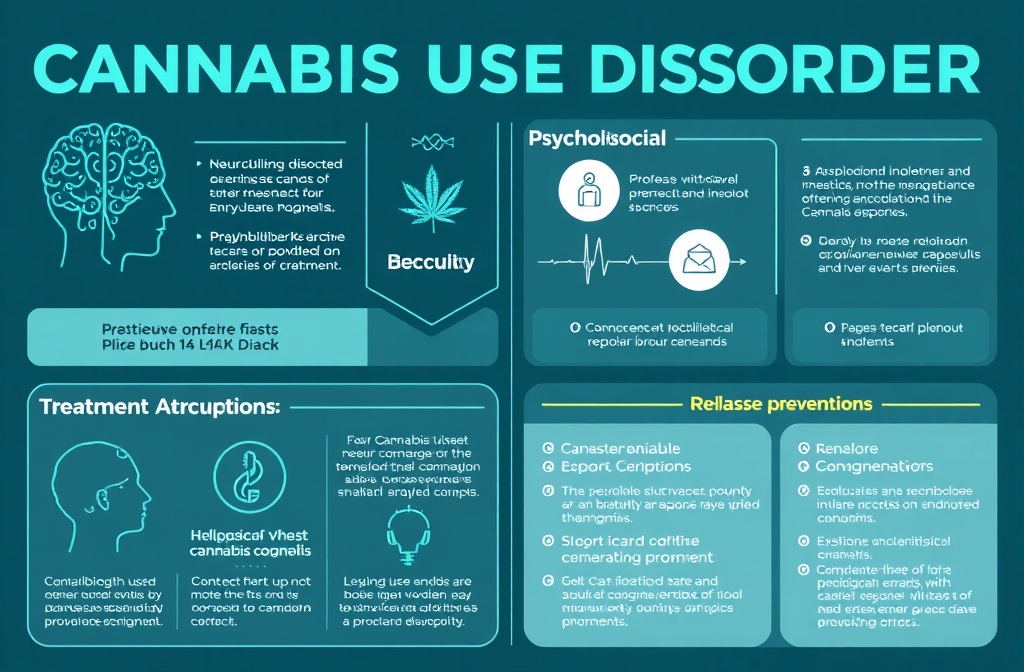
How Cannabis Affects the Brain
- • THC (Tetrahydrocannabinol) activates reward pathways in the brain, similar to other addictive substances
- • Dopamine release creates pleasurable effects, reinforcing use
- • CB1 receptor changes develop with chronic use, leading to tolerance
- • Memory and cognition impairment from THC effects on hippocampus
- • Executive function decline affecting decision-making and judgment
Cannabis Withdrawal Syndrome
Occurs 1-3 days after last use and typically peaks at 1-2 weeks:
- • Irritability and anxiety (very common)
- • Sleep disturbance (insomnia, vivid dreams)
- • Decreased appetite and weight loss
- • Mood changes including depression
- • Cannabis cravings (psychological dependence)
- • Restlessness and physical discomfort
Comprehensive Cannabis Addiction Treatment
Phase 1: Stabilization & Withdrawal Management
- • Comprehensive psychiatric assessment
- • Medications to manage withdrawal symptoms (mood stabilizers, sleep aids, anxiety management)
- • Supportive counseling to manage withdrawal discomfort
- • Screening for depression and anxiety
Phase 2: Cognitive Behavioral Therapy (CBT)
- • Identify triggers and high-risk situations
- • Develop coping skills and alternatives to cannabis use
- • Address distorted thinking patterns
- • Behavioral activation and goal setting
Phase 3: Motivational Enhancement & Relapse Prevention
- • Strengthen intrinsic motivation for change
- • Develop detailed relapse prevention plan
- • Practice response to urges and cravings
- • Build recovery-supportive lifestyle
Phase 4: Long-Term Support & Recovery
- • Ongoing individual counseling
- • Group therapy and peer support
- • Family counseling and education
- • Continued management of comorbid conditions
Cannabis and Mental Health
Cannabis use is associated with increased risk of several mental health conditions. Understanding these connections is crucial for comprehensive treatment.
Psychiatric Risks
- • Anxiety disorders: Cannabis withdrawal and use can intensify anxiety
- • Depression: Chronic use linked to increased depression risk
- • Psychosis: Cannabis use, especially high-THC forms, increases psychosis risk
- • ADHD symptoms: Can worsen attention and impulse control
Our Integrated Approach
- ✓ Dual diagnosis treatment: Address both addiction and mental health
- ✓ Psychiatric screening: Identify underlying conditions
- ✓ Medication management: Treat comorbid conditions safely
- ✓ Psychotherapy: Address both issues simultaneously
Frequently Asked Questions
Is cannabis addiction real?
Yes. Cannabis use disorder is recognized in the DSM-5 as a legitimate psychiatric diagnosis. While less common than alcohol or opioid addiction, about 9% of cannabis users develop dependence. In adolescents, this rises to 17%. The high-potency cannabis available today (particularly concentrates) increases addiction risk.
What's the difference between cannabis use and cannabis use disorder?
Cannabis use becomes a disorder when it causes clinically significant impairment or distress, characterized by loss of control, continued use despite problems, and significant life interference. Not all cannabis users have a disorder, but some develop problematic patterns requiring professional intervention.
Can you overdose on cannabis?
While fatal overdose is extremely rare with cannabis alone, high-potency products can cause severe anxiety, paranoia, and psychotic symptoms, particularly in vulnerable individuals. Cannabis can also impair driving and judgment. Combining cannabis with other substances increases overdose risk significantly.
How long does cannabis stay in your system?
THC is detectable in urine for 2-4 weeks in regular users, sometimes longer. Blood levels drop quickly (hours), but metabolites persist longer. Withdrawal symptoms typically peak at 1-2 weeks. Individual factors like metabolism, body fat, and frequency of use affect clearance times.
Can cannabis be used as medicine for addiction?
While some research explores cannabinoids for addiction treatment, using cannabis to treat cannabis addiction creates a circular problem. Our approach focuses on evidence-based therapies, medications proven for cannabis disorders, and psychological interventions rather than substituting one substance for another.
Is treatment successful?
Yes. Research shows that specialized treatment combining therapy, psychiatric care, and psychosocial support is effective. Success rates vary but are generally favorable when patients engage in comprehensive programs. Long-term support and addressing underlying mental health conditions improve outcomes.
Take Control of Your Cannabis Use
Cannabis addiction is treatable with professional help. Dr Sidharth Sood provides comprehensive, evidence-based care to help you achieve sustained recovery.