Dopamine and Addiction: The Neuroscience Behind Substance Dependence
Understand how dopamine, the brain's reward chemical, drives addiction. Learn why addiction is a brain disorder and how evidence-based neuroscience-informed treatment works.
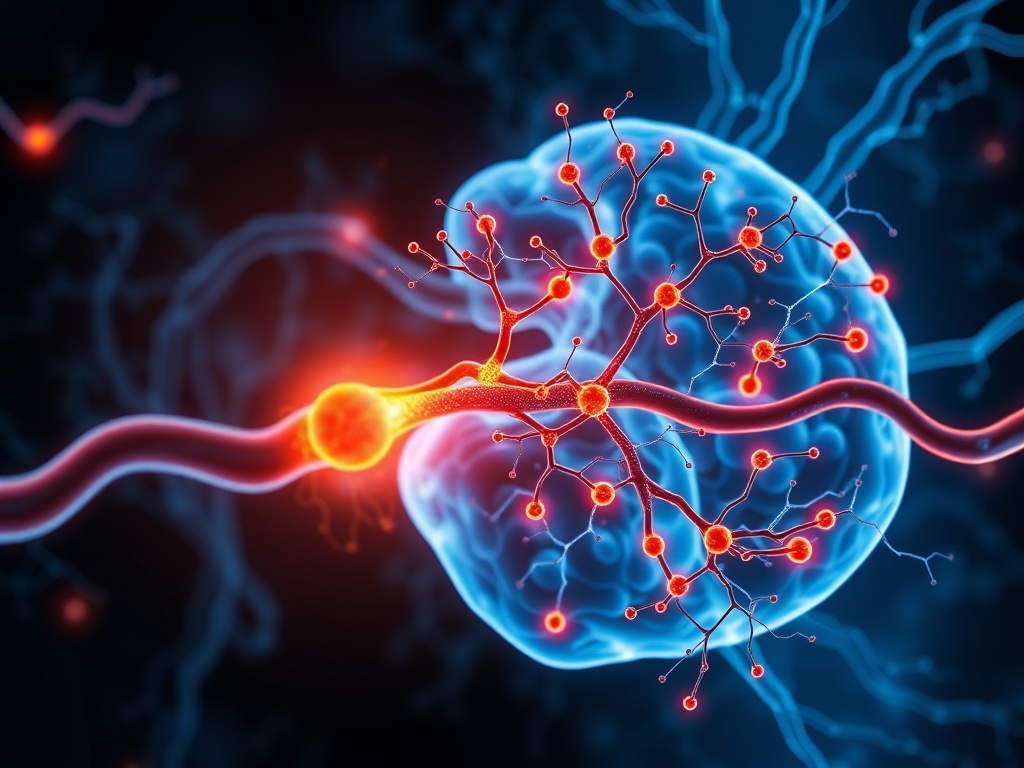
What is Dopamine?
Dopamine is a neurotransmitter—a chemical messenger in the brain—that plays a critical role in motivation, reward, learning, and movement. Often called the "motivation molecule," dopamine drives us to repeat behaviors necessary for survival and well-being.
Key Functions of Dopamine
- •Reward: Creates feelings of pleasure and satisfaction
- •Motivation: Drives goal-directed behavior and persistence
- •Learning: Reinforces associations between actions and outcomes
- •Attention: Helps focus on important stimuli
- •Motor Control: Coordinates movement and muscle control
The Brain's Natural Reward System
Our brain evolved a reward system that reinforces survival behaviors. When we eat, socialize, or accomplish goals, dopamine is released in the nucleus accumbens and other reward circuits, creating positive feelings that reinforce the behavior.
Normal Reward Cycle
- 1.Stimulus: You encounter something rewarding (food, social interaction)
- 2.Dopamine Release: Brain releases dopamine in reward circuits
- 3.Positive Feeling: You experience pleasure and satisfaction
- 4.Learning: Brain associates the stimulus with reward
- 5.Repeat: Motivation to repeat the behavior increases
How Addiction Hijacks Dopamine
Addictive substances (drugs, alcohol) trigger dopamine release in the brain's reward system—but at levels far exceeding natural rewards. This leads to profound changes in brain chemistry and structure.
Short-Term Effects
- • Intense dopamine surge (2-10x normal levels)
- • Powerful euphoria and pleasure
- • Strong reinforcement of drug use
- • Rapid development of craving
- • Desire to repeat the experience immediately
Long-Term Effects
- • Tolerance: Brain adapts, needs more drug for same effect
- • Dopamine dysregulation: System becomes "broken"
- • Anhedonia: Loss of pleasure in normal activities
- • Changed reward priorities: Drug becomes paramount
- • Withdrawal: Pain and depression when drug absent
Tolerance, Dependence, and Addiction
Tolerance
Brain adapts to repeated dopamine surges by downregulating dopamine receptors and production. Requires increasingly higher doses to achieve the same effect.
Dependence
Physical adaptation where the body requires the drug to function normally. Withdrawal symptoms emerge when drug is unavailable due to suppressed dopamine production.
Addiction
A behavioral disorder characterized by compulsive drug use despite negative consequences. Involves changes in motivation, decision-making, and impulse control.
Neuroscience-Based Treatment Approaches
Understanding dopamine and addiction neuroscience informs evidence-based treatment strategies:
Medication-Assisted Treatment (MAT)
Uses medications to restore dopamine function and reduce cravings. Learn more →
Behavioral Therapy
Retrains brain to find reward in healthy activities and social connection. Learn more →
Comprehensive Addiction Treatment
Combines medications, therapy, and social support to restore dopamine balance. Learn more →
Why Choose Dr Sidharth Sood
Elite Medical Credentials
- ✓ DM Addiction Psychiatry – AIIMS New Delhi (rare specialization - only 5-10 specialists per year in India)
- ✓ MD Psychiatry – Institute of Human Behaviour & Allied Sciences (IHBAS)
- ✓ DNB Psychiatry – National Board of Examinations
- ✓ MBBS – Maulana Azad Medical College (MAMC), Delhi
Proven Expertise
- ✓ Evidence-based psychiatric treatment with latest protocols
- ✓ Addiction psychiatry specialist with DM qualification
- ✓ Advanced neuromodulation therapies (TMS, Theta Burst Stimulation)
- ✓ Personalized treatment plans with proven recovery outcomes
Our Treatment Approach
Comprehensive Evaluation
Thorough psychiatric assessment to understand your unique condition and treatment needs
Evidence-Based Care
Latest medications, therapies and protocols based on clinical research and best practices
Compassionate Support
Confidential, respectful care focused on your recovery and long-term wellbeing
Recognized Authority
50+
Patients Monthly
4.9/5
Patient Rating (43 reviews)
15+
Years Experience
AIIMS
Trained Specialist
Addiction in Delhi
Dr Sidharth Sood provides expert addiction across multiple convenient locations in Delhi and NCR region. Serving patients from various areas of Delhi with personalized psychiatric care.
South Delhi
Dwarka, Patel Nagar, Janakpuri
West Delhi
Nangloi, Krishan Garden, Najafgarh
Central Delhi
New Delhi, Karol Bagh, Paharganj
East Delhi
Noida, Ghaziabad, Greater Noida
NCR Region
Sonipat (OPD on the 1st and 3rd Sunday of each month)
Why Delhi Patients Choose Dr Sidharth Sood
- ✓ Multiple convenient clinic locations across Delhi and NCR for easy access
- ✓ Online consultations available for patients across Delhi and India
- ✓ AIIMS-trained specialist with DM Addiction Psychiatry from India's leading medical institute
- ✓ Evening appointments available for working professionals in Delhi
- ✓ Confidential and compassionate care in South Delhi's premier mental health clinic
Neuroscience-Based Addiction Treatment
Understanding the brain's dopamine system is key to treating addiction effectively. Dr. Sidharth Sood specializes in addiction neuroscience and evidence-based treatment.