Stimulant Use Disorder: Cocaine & Amphetamines — Science, Risks & Recovery
AIIMS Delhi-trained super specialist | Insights from CAMCON NIMHANS CME
AIIMS Delhi-trained super specialist | Insights from CAMCON NIMHANS CME
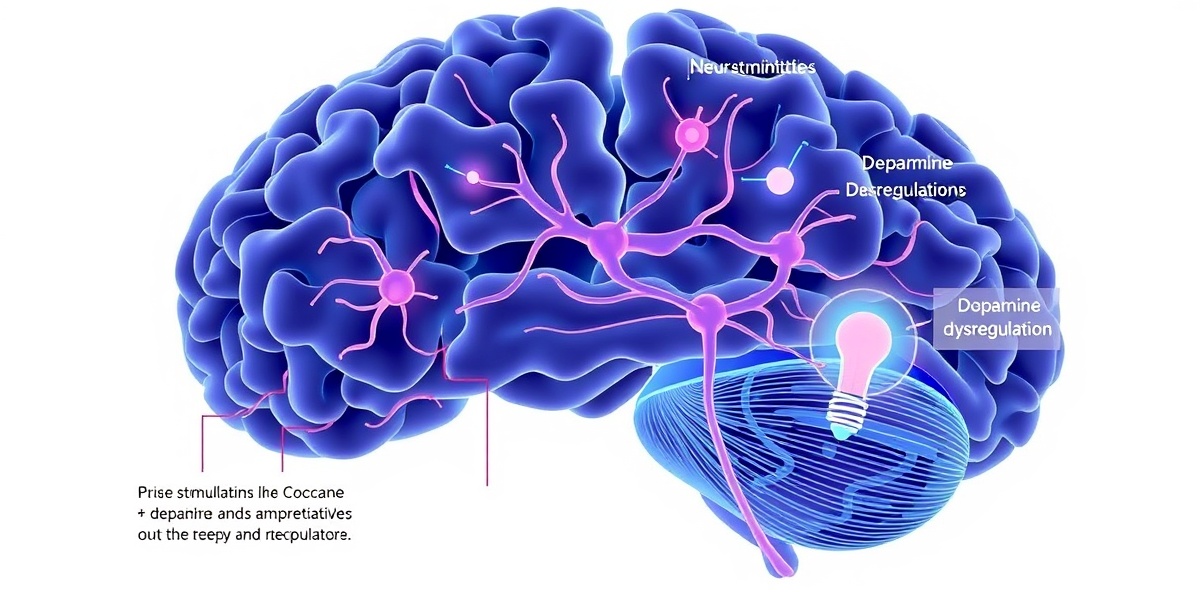
Stimulants like cocaine and amphetamines are increasingly used in high-pressure environments — for performance, confidence, and escape. But clinically, what appears as "boost" is actually a powerful disruption of the brain's dopamine system.
Insights from advanced discussions at CAMCON (NIMHANS) highlight that stimulant addiction is not a failure of willpower — it is a brain-behavior disorder, often linked with untreated ADHD, stress, and emotional dysregulation.
This guide breaks it down simply: what happens in the brain, how addiction develops, and how recovery actually works.
Stimulants increase alertness, energy, and focus. They act primarily on dopamine — the brain's reward pathway — creating a powerful sense of well-being and capability.
Drug triggers intense reward signal in the brain
Brain reduces natural dopamine production over time
Person needs more drug to feel the same effect
Cravings and compulsive use despite negative consequences
Stimulants are often initiated in contexts that feel "justified" or "necessary" — making initial use feel controlled and purposeful, when actually it's the beginning of a dangerous trajectory.
Work/Study Performance Pressure
Feeling the need to enhance productivity and focus
Party and Social Use
Peer influence and desire to fit in
Weight Loss and Appearance
Appetite suppression effects appeal to some users
Self-Medication for ADHD
Undiagnosed ADHD drives stimulant seeking behavior
⚠️ The ADHD Connection
People with untreated ADHD are significantly more likely to develop stimulant use disorder. They may unconsciously "self-medicate" with cocaine or amphetamines to achieve the dopamine regulation their brains naturally lack.
Learn about ADHD & Stimulant Misuse →After the stimulant high wears off, users experience a profound "crash" — the opposite of the initial rush. This crash is what drives continued, compulsive use.
Hours 1-4
Extreme fatigue and exhaustion
Hours 4-24
Depression, low mood, anhedonia (no pleasure)
Days 2-7
Irritability, emotional instability, intense cravings
Weeks Later
Persistent cravings triggered by environmental cues
Why The Crash Matters:
The crash is so painful that users often take the drug again immediately, creating a binge cycle. This is not weakness — it's brain chemistry seeking homeostasis. Understanding this is crucial for compassionate, effective treatment.
At CAMCON (NIMHANS), stimulant use disorders were highlighted as a rapidly emerging crisis in urban India, with critical insights for clinicians:
Rapidly Increasing Prevalence
Stimulant use is growing faster than opioid addiction in metropolitan areas, especially among high-performing professionals and students
Strong ADHD Link
Up to 40% of people with stimulant use disorder have underlying, undiagnosed ADHD — making early ADHD screening critical for prevention
High Relapse Without Therapy
Detoxification alone has 80% relapse rates. Long-term psychological and pharmacological intervention is essential
Key Message
Detox alone is not treatment — comprehensive brain and behavioral intervention is essential for sustainable recovery
Detailed evaluation for ADHD, other psychiatric conditions, medical complications, and trauma history. Understanding the full clinical picture is essential for personalized treatment.
Evidence-based psychotherapy addressing triggers, coping skills, and relapse prevention
Building intrinsic motivation for change through compassionate, non-judgmental dialogue
One of the most evidence-based treatments for stimulant addiction — but significantly underutilized in India
Core Principle:
Reward-based system that reinforces abstinence and positive behavioral change through tangible incentives
How It Works:
Why It Works:
Contingency Management directly rebuilds the dopamine-driven reward pathways damaged by stimulant use. Instead of relying solely on willpower, it provides immediate, tangible reinforcement for positive choices.
Clinical Evidence:
Clinical Note: Contingency Management can be adapted using non-monetary rewards (vouchers, privileges, social recognition) and is highly feasible in private practice settings. It's particularly powerful when combined with therapy.
Relapse is predictable — and preventable with the right framework.
Understanding what drives cravings is the first step to managing them.
Relapse follows a predictable pattern:
Trigger → Exposure to cue that activates craving
Craving → Intense desire to use stimulant
Justification → Rationalizing use ("just this once", "I deserve it")
Use → Return to drug-taking behavior
Building concrete tools to manage cravings and resist use:
Creating structure that reduces vulnerability to relapse:
Lapse: A brief, isolated use episode — can be stopped and recovered from
Relapse: A sustained return to regular use — indicates need for treatment adjustment
Key insight: Lapses are common in recovery and don't mean failure. They're an opportunity to identify what triggered the lapse and strengthen prevention strategies.
Case-specific medications to reduce cravings, manage mood, and address underlying conditions like ADHD
Emerging brain stimulation therapies to normalize dopamine function and reduce cravings
Sleep, exercise, nutrition, stress management, and social connection for sustainable recovery
Why Comprehensive Treatment Matters:
Stimulant addiction changes the brain's reward system fundamentally. Recovery requires addressing both the neurochemical dysfunction AND the psychological patterns, habits, and unmet needs that drove the addiction in the first place. Contingency Management and Relapse Prevention Therapy are non-negotiable components of evidence-based treatment.
Weeks 1-4
Crisis & Detox
Intense cravings, withdrawal symptoms, mood instability. Medical support critical.
Months 2-4
Emotional Instability & Rebuilding
Mood swings, anxiety, lingering cravings. Therapy becomes essential. Sleep and routine normalize.
Months 5-12+
Stabilization & Integration
Cravings decrease, relationships rebuild, identity shifts from "user" to "person in recovery".
⚠️ Important:
Relapse is a part of recovery for many people — not a failure. It's a signal to adjust treatment, not a reason to give up. Compassionate, evidence-based care anticipates and addresses relapse risk.
Recovery is possible. With the right evidence-based treatment, structured support, and compassionate care, you can break free from stimulant addiction and rebuild your life.
Rare DM in Addiction Psychiatry — only 5-10 specialists trained per year nationwide
Deep experience treating ADHD + Addiction — the critical hidden link many clinicians miss
Each patient receives comprehensive assessment and custom treatment plan, not one-size-fits-all approach
rTMS and Theta Burst Stimulation to normalize dopamine function and reduce cravings
Understanding addiction as a brain disorder, not a moral failing — treating you with dignity and respect
Multiple clinic locations for accessibility and continuity of specialized care
📲 Learn More: Clinical Insights
I simplify complex psychiatric concepts into practical, real-world understanding through professional content and patient education.
Professional Insight
Clinical perspectives on stimulant addiction psychiatry and evidence-based treatment approaches from professional discussions.
Quick Explanation
Short-form video explanation of stimulant use disorder, addiction mechanisms, and recovery insights for patient understanding.