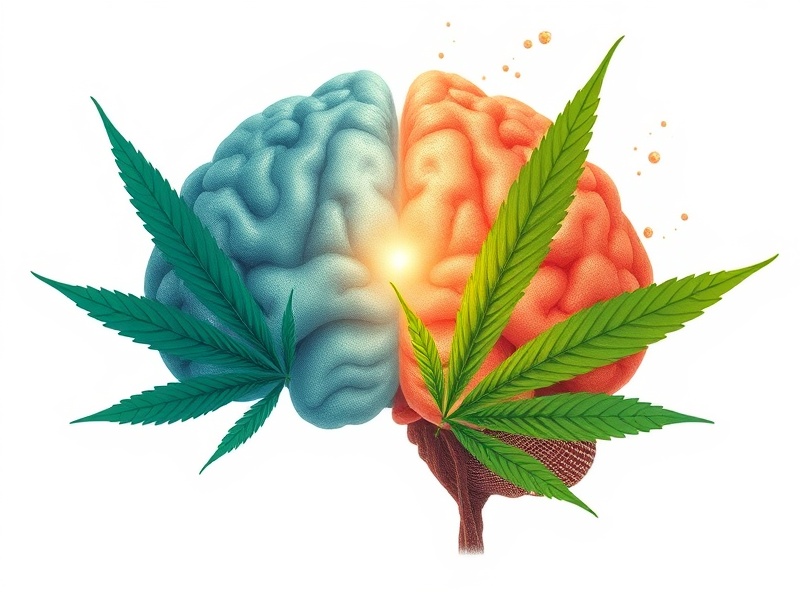
Understanding Cannabis Addiction
Cannabis is often perceived as less addictive than other drugs, but regular users can develop psychological dependence and, in some cases, cannabis use disorder. Understanding the signs of cannabis addiction is crucial for early intervention and treatment.
Physical Signs of Cannabis Addiction
Tolerance Development
- Need increasingly larger amounts to achieve the same high
- Loss of effectiveness with regular use
- Escalation pattern over weeks or months
Withdrawal Symptoms
When trying to cut back or quit:
- Irritability and mood changes
- Sleep disturbances and insomnia
- Anxiety or nervousness
- Decreased appetite
- Restlessness
- Headaches
- Vivid dreams or nightmares
These symptoms typically appear 1-3 days after stopping use and peak within 1-2 weeks.
Behavioral Signs of Cannabis Addiction
Loss of Control
- Unable to use cannabis in moderation
- Failed attempts to reduce or stop use
- Spending more time obtaining or using cannabis
- Continuing use despite wanting to stop
Neglecting Responsibilities
- Declining work or academic performance
- Missing important appointments
- Neglecting family obligations
- Reduced participation in hobbies and activities
Social Impact
- Isolating from non-using friends
- Relationship conflicts due to cannabis use
- Choosing cannabis-using friends exclusively
- Dishonesty with family about drug use
Financial Consequences
- Significant money spent on cannabis
- Financial problems due to drug purchases
- Borrowing money to buy cannabis
- Stealing or illegal activity to fund use
Psychological Indicators
Cravings
- Intense urges to use cannabis
- Cravings triggered by specific people, places, or emotional states
- Difficulty resisting urges
Mood Changes
- Anxiety when unable to access cannabis
- Depression or low mood
- Irritability and anger management issues
- Emotional instability
Cognitive Effects
- Difficulty concentrating
- Memory problems
- Poor decision-making
- Impaired judgment
Cannabis and the Brain
How Cannabis Affects Dopamine
Cannabis contains THC (tetrahydrocannabinol), which:
- Activates the brain’s reward system
- Increases dopamine release
- Creates pleasant sensations
- Leads to reinforcement of use
Brain Changes with Regular Use
- Altered dopamine receptor function
- Changes in motivation and reward processing
- Reduced prefrontal cortex activity (decision-making)
- Impaired memory formation
Progression of Cannabis Use Disorder
Stage 1: Recreational Use
- Occasional use
- Some enjoyment
- Few consequences
Stage 2: Increased Use
- More frequent use
- Tolerance developing
- Minor consequences emerging
Stage 3: Problematic Use
- Regular daily use
- Continued use despite negative consequences
- Failed attempts to cut back
- Significant life impact
Stage 4: Cannabis Use Disorder
- Addiction criteria met
- Significant impairment
- Loss of control
- Continued use despite serious harm
When to Seek Help
Red Flags Requiring Professional Assessment
- Inability to stop using despite wanting to
- Continued use causing relationship problems
- Financial stress from cannabis spending
- Withdrawal symptoms when not using
- Using to cope with emotions or stress
- Neglecting responsibilities
- Impaired academic or work performance
Treatment Options
Professional Addiction Psychiatry:
- Comprehensive assessment and diagnosis
- Medication-assisted treatment if needed
- Behavioral therapy and counseling
- Relapse prevention strategies
- Treatment of co-occurring mental health conditions
Therapeutic Approaches:
- Cognitive Behavioral Therapy (CBT)
- Motivational Interviewing
- Group support programs
- Family therapy
Lifestyle Changes:
- Exercise and physical activity
- Sleep hygiene improvement
- Stress management techniques
- Building a support network
Frequently Asked Questions
Is cannabis addiction real? Yes. While less severe than some other addictions, cannabis use disorder is a recognized medical condition with significant impact on functioning and quality of life.
How is cannabis addiction treated? Treatment typically involves professional assessment, therapy, behavioral interventions, and lifestyle changes. Medication may be used to manage co-occurring conditions.
Can someone recover from cannabis addiction? Yes. With proper professional support, behavioral strategies, and commitment to change, recovery is achievable. Many people successfully overcome cannabis dependence.
How long does withdrawal last? Most acute withdrawal symptoms resolve within 1-2 weeks, though cravings and psychological symptoms may persist longer requiring ongoing support.
Take the First Step
If you or someone you know is struggling with cannabis addiction, professional help is available. Dr Sidharth Sood specializes in addiction psychiatry with evidence-based treatment approaches.
Schedule a consultation today to discuss your cannabis use and treatment options.
This article is for educational purposes. Always consult with a qualified healthcare provider for diagnosis and personalized treatment of cannabis use disorder.


