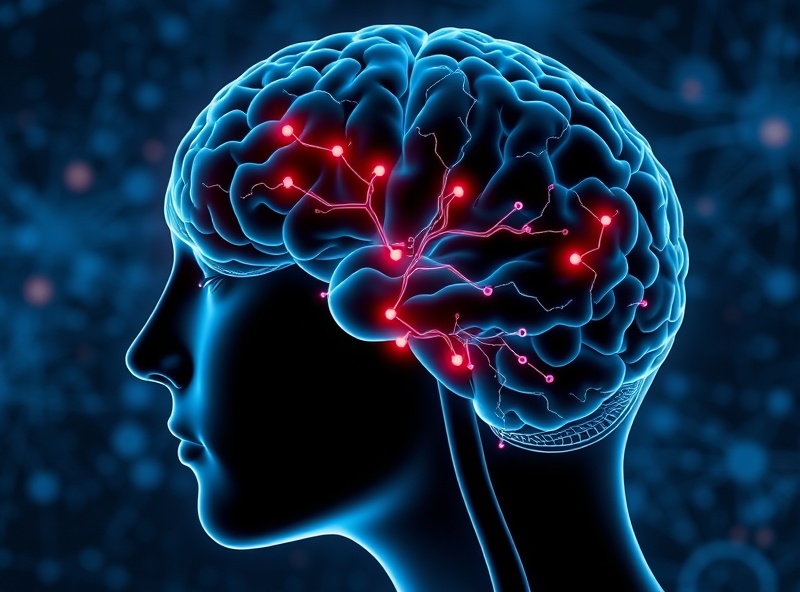
What is Dopamine?
Dopamine is a neurotransmitter—a chemical messenger in the brain—crucial for motivation, pleasure, reward, and learning. It’s often called the “motivation molecule” because it drives our desire to repeat behaviors necessary for survival like eating, socializing, and procreating.
Key Functions of Dopamine:
- Motivation and drive
- Pleasure and reward
- Learning and memory
- Movement and motor control
- Attention and focus
The Natural Reward System
How Dopamine Works Normally
Your brain has evolved a reward system that reinforces survival behaviors:
1. Stimulus (eating food, social interaction) ↓ 2. Dopamine Release in Reward Circuits ↓ 3. Pleasurable Feeling ↓ 4. Learning: “Repeat This Behavior” ↓ 5. Motivation to Seek the Reward Again
Baseline Dopamine Levels
- Naturally released in response to rewards
- Provides 1-3x baseline elevation
- Short duration (minutes)
- Proportional to reward size
How Addictive Substances Hijack Dopamine
The Dopamine Hijacking Process
Addictive drugs bypass normal reward systems and cause:
Massive Dopamine Surges:
- 10-100 times higher than natural rewards
- Far more rapid release
- More sustained elevation
- Independent of actual reward value
Examples of Dopamine Elevation:
- Cocaine: 3-5x elevation in seconds
- Heroin: 2-4x elevation in minutes
- Alcohol: 2-3x elevation
- Cannabis: 1.5-3x elevation
- Methamphetamine: Up to 15x elevation
- Natural food reward: 1.5x elevation
The “Supernormal Stimulus” Problem
Addictive substances create artificial stimuli that:
- Exceed natural reward triggers
- Override normal motivation systems
- Become prioritized above survival needs
- Dominate decision-making
Brain Changes with Addiction
Tolerance Development
What Happens:
- Repeated dopamine surges desensitize receptors
- Need larger doses to achieve same effect
- Brain adapts to artificially high dopamine
- Natural rewards feel insufficient
Timeline:
- Days to weeks for initial tolerance
- Months for severe tolerance
- May persist during recovery
Dopamine Receptor Changes
- Receptor downregulation (fewer receptors)
- Reduced receptor sensitivity
- Baseline dopamine drops
- Natural rewards feel less pleasurable (anhedonia)
Prefrontal Cortex Damage
The decision-making region experiences:
- Reduced activity
- Impaired judgment
- Weakened impulse control
- Difficulty resisting cravings
Reward Pathway Sensitization
- Neural circuits become hypersensitive to drug cues
- Environmental triggers activate cravings
- Conditioned responses strengthen
- Automatic reward seeking develops
The Addiction Cycle
Stage 1: Initial Use
- Massive dopamine surge
- Intense pleasure
- Strong conditioning occurs
- Rapid reinforcement
Stage 2: Tolerance
- Dopamine surges decrease
- Need more drug for same effect
- Natural rewards feel dull
- Motivation shifts entirely to drug seeking
Stage 3: Withdrawal
- Brain adapts to high dopamine
- Normal dopamine feels insufficient
- Depression and anhedonia
- Anxiety and irritability
- Craving intensifies
Stage 4: Compulsive Use
- Using to avoid withdrawal
- Loss of control
- Continued use despite consequences
- Dopamine system severely dysregulated
Co-occurring Mental Health Conditions
Depression and Addiction
Why They Co-occur:
- Dopamine dysfunction in both conditions
- Addiction initially “treats” depression
- Tolerance leads to worse depression
- Anhedonia worsens depressive symptoms
Anxiety and Addiction
The Connection:
- Dopamine dysregulation increases anxiety
- Substances used to self-medicate anxiety
- Withdrawal creates severe anxiety
- Anxiety drives continued use
ADHD and Addiction
Increased Risk:
- ADHD involves dopamine dysfunction
- Stimulants provide dopamine boost
- High addiction vulnerability
- Self-medication common
Recovery and Dopamine Healing
Brain Healing Timeline
Days 1-7:
- Acute withdrawal (extreme discomfort)
- Dopamine system begins adaptation
- Psychological cravings intense
Weeks 2-4:
- Physical withdrawal resolves
- Dopamine levels begin normalizing
- Depression/anhedonia may worsen
- Cravings decrease gradually
Months 2-3:
- Dopamine receptors begin upregulating
- Natural rewards feel more pleasurable
- Motivation for non-drug activities improves
- Emotional regulation stabilizes
Months 3-12:
- Continued dopamine system recovery
- Reduced relapse risk
- Natural pleasure appreciation increases
- Long-term habit formation possible
Beyond 1 Year:
- Neuroplasticity allows significant healing
- Reward system rebalances
- New habits replace old patterns
- Sustained recovery likely
Factors Affecting Recovery Speed
- Duration of addiction (longer = slower recovery)
- Type of substance (different timelines)
- Individual brain chemistry
- Presence of co-occurring mental health conditions
- Quality of treatment received
- Environmental support system
Treatment Approaches
Medication-Assisted Treatment
How It Works:
- Stabilizes dopamine without high
- Reduces cravings
- Allows brain to heal
- Examples: Naltrexone, Acamprosate, Buprenorphine
Benefits:
- Faster dopamine system recovery
- Reduced relapse risk
- Better medication compliance
- Improved treatment outcomes
Behavioral Therapy
Evidence-Based Approaches:
- Cognitive Behavioral Therapy (CBT)
- Motivational Enhancement Therapy
- Contingency Management
- Group therapy and support
How They Help:
- Rebuild reward pathways
- Develop healthier coping mechanisms
- Strengthen decision-making
- Create new positive associations
Lifestyle Interventions
Activities that naturally boost dopamine:
- Regular exercise (proven dopamine increase)
- Social connection and relationships
- Achievement and goal-setting
- Helping others (altruism)
- Creative pursuits
- Learning new skills
Dual Diagnosis Treatment
Treating underlying mental health conditions:
- Depression treatment
- Anxiety management
- ADHD medication if appropriate
- Psychotherapy for trauma
Understanding Craving from a Dopamine Perspective
Why Cravings Persist
Even after months of sobriety:
- Environmental cues trigger dopamine release
- Conditioned associations remain strong
- Dopamine system hypersensitivity persists
- Stress elevates craving risk
Craving Management
- Avoid triggering environments
- Develop alternative dopamine sources
- Stress management techniques
- Strong social support
- Professional ongoing treatment
Featured Snippet: What Causes Addiction?
Quick Answer (40-60 words): Addiction involves dopamine dysregulation in the brain’s reward system. Addictive substances cause dopamine surges 10-100x higher than natural rewards, leading to tolerance, withdrawal, and compulsive use despite negative consequences. This neurochemical hijacking creates genuine brain disease requiring professional treatment for recovery.
The Bottom Line
Addiction isn’t a moral failure—it’s a brain disease involving dopamine system dysregulation. Understanding this science destigmatizes addiction and emphasizes that recovery requires professional treatment, not just willpower.
If you’re struggling with addiction and dopamine-related mental health issues, comprehensive psychiatric treatment is available.
Schedule a consultation with addiction psychiatry specialist Dr Sidharth Sood for evidence-based treatment combining medication, therapy, and lifestyle change.
This article is for educational purposes about addiction neuroscience. Always consult with a qualified addiction psychiatrist for proper diagnosis and personalized treatment.


